
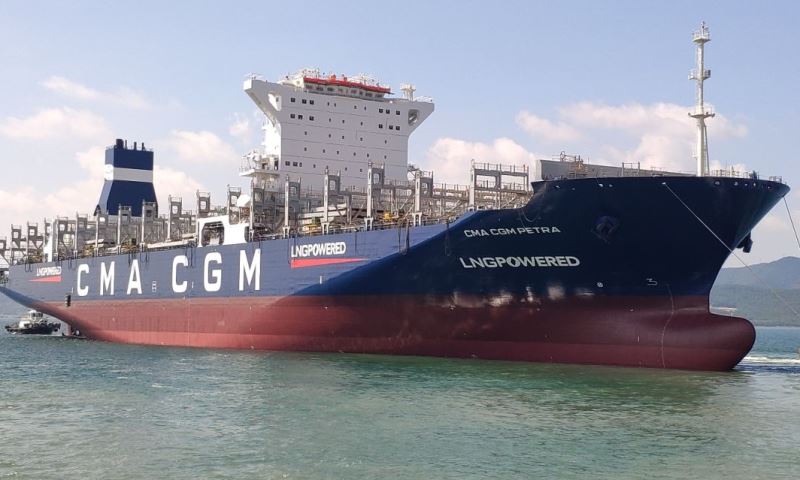
CMA CGM Group has announced the implementation of a Peak Season Surcharge (PSS) on container shipments moving from China to destinations across West Africa, citing rising demand and operational pressures on the trade lane.
The surcharge will apply to all applicable cargo transported on the carrier’s services connecting Chinese export hubs with ports in West Africa. According to the company, the measure is intended to help offset higher operating costs and manage capacity constraints during the peak shipping period.
CMA CGM Group said the PSS will cover various container types, including dry and refrigerated units, and will be charged in addition to standard freight rates. The surcharge is typically introduced during periods of strong cargo demand when vessel space becomes limited.
Shipping analysts note that the China–West Africa corridor has seen increasing container volumes in recent years, driven by trade in machinery, construction materials, consumer goods and food products.
Industry participants say peak season surcharges are a common tool used by carriers to manage demand surges and maintain service reliability on busy trade routes. The latest move by CMA CGM Group reflects continued pressure on global container shipping networks as trade flows shift and capacity is adjusted across different regions.