
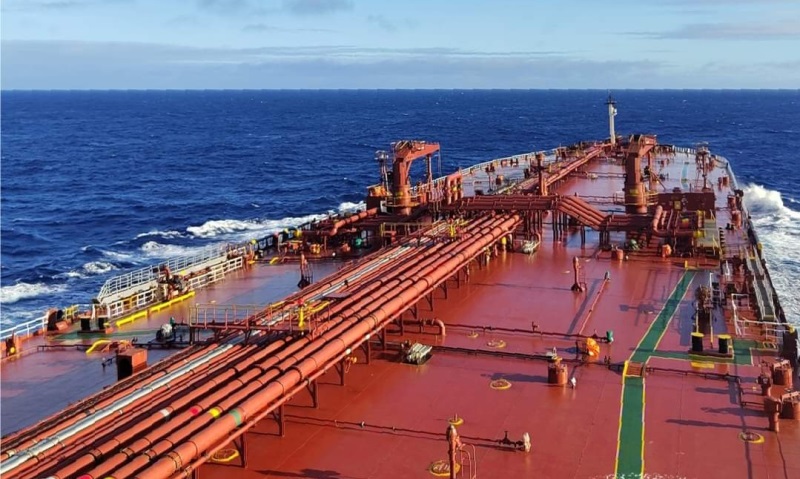
A report suggests that Iran has asked India to release three tankers seized earlier this year as part of discussions on securing safe passage for Indian‑flagged and India‑bound vessels through the Strait of Hormuz, according to government and diplomatic sources.
The three vessels in question—Asphalt Star, Al Jafzia and Stellar Ruby—were detained by Indian authorities in February on allegations of identity concealment and illegal ship‑to‑ship fuel transfers, sources said. Iran’s request reportedly also included supplies of certain medicines and medical equipment, underscoring how strategic and humanitarian issues are intertwining in negotiations.
The talks come amid wider instability and disruption in the Gulf region following renewed hostilities involving Iran, which have impacted maritime routes and raised concerns about safety and insurance for commercial shipping in the area. The Strait of Hormuz remains a critical chokepoint for global energy and cargo flows, with Iran warning that usual navigation cannot be guaranteed amid the crisis.
India’s government, however, has rejected claims of a formal quid pro quo arrangement linking the release of detained tankers to safe passage agreements, describing such reports as “baseless.” New Delhi insists engagements with Tehran are focused on ensuring maritime safety and protecting commercial navigation without compromising legal or sovereign positions.
The developments underscore the geopolitical complexity surrounding shipping in the Persian Gulf and the diplomatic balancing act faced by India as it seeks to safeguard its maritime trade while navigating the ongoing regional crisis