
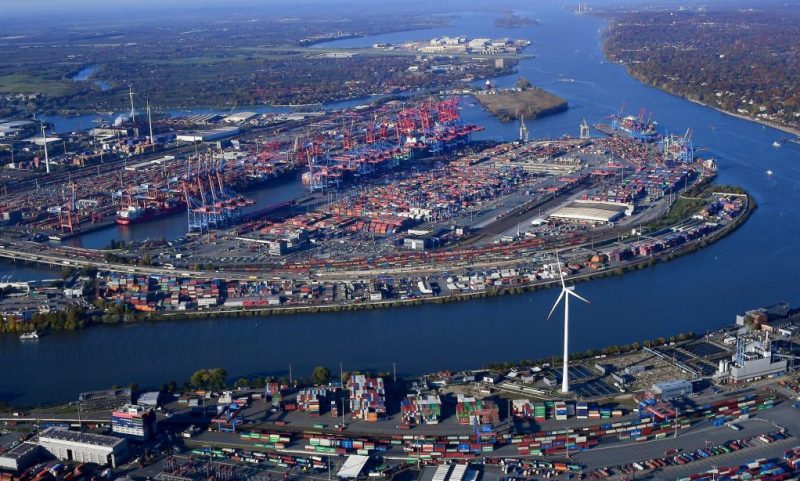
The Maritime and Port Authority of Singapore (MPA) and the Port of Hamburg have expanded their cybersecurity cooperation, reinforcing efforts to protect critical port infrastructure from rising digital threats and operational disruptions.
The enhanced partnership is expected to focus on sharing best practices, threat intelligence, incident response strategies, and technology solutions aimed at securing increasingly digitalised port ecosystems. Modern ports rely heavily on interconnected systems for vessel traffic management, cargo handling, customs processing, and logistics coordination, making cybersecurity a strategic priority.
Industry experts note that cyberattacks on ports can cause severe delays, financial losses, and supply chain disruption by targeting terminal operating systems, communications networks, or data platforms. As trade hubs digitise faster through automation and smart-port initiatives, collaboration between major international ports is becoming essential.
Singapore and Hamburg are both recognised as leading global maritime gateways with advanced technology adoption and complex cargo networks. Their cooperation could include joint training programmes, simulation exercises, and frameworks for cyber risk management across port stakeholders.
The move also reflects a wider global trend in maritime security, where authorities are integrating cyber resilience into traditional port safety planning alongside physical security and environmental risk controls.
For shipping lines, logistics providers, and cargo owners, stronger cyber defences at major ports can improve confidence, reduce disruption risk, and support smoother global trade flows. The expanded MPA-Hamburg partnership may also serve as a model for future cross-border port cybersecurity alliances.