
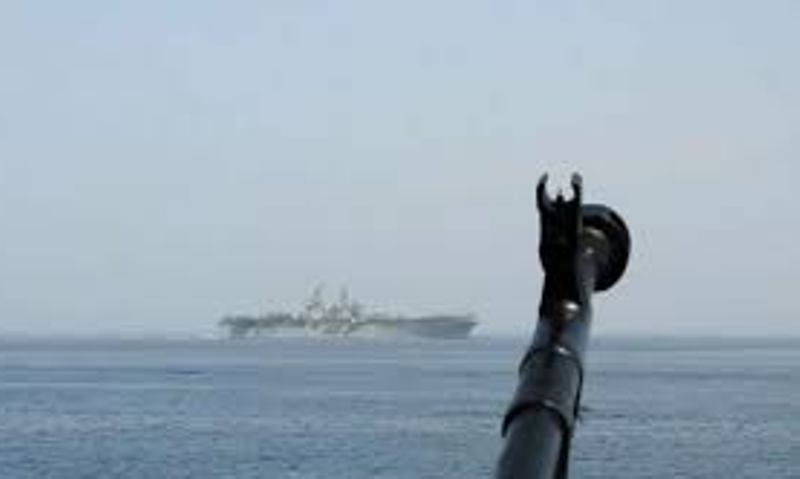
The crisis surrounding the Strait of Hormuz has entered a more dangerous phase following reports of a U.S.-linked vessel seizure and renewed attacks in the region, heightening fears of disruption to one of the world’s most critical maritime energy chokepoints.
The Strait of Hormuz handles a substantial share of global seaborne oil and LNG shipments, making any escalation a major concern for energy markets, shipping operators, and import-dependent economies. Rising tensions have already increased security risks for commercial vessels transiting the Gulf.
Industry sources said the latest developments could lead to higher war-risk insurance premiums, vessel rerouting, tighter naval escorts, and delays in tanker schedules. Shipping companies may reassess transit plans if threats to crew safety and cargo security continue to rise.
Oil prices and freight markets are likely to remain highly sensitive, as even temporary disruptions in Hormuz can affect global supply expectations. Asian importers, including India, China, Japan, and South Korea, are particularly exposed due to their reliance on Gulf crude and gas shipments.
Maritime analysts note that repeated attacks or seizures can have effects beyond immediate cargo delays, including increased bunker costs, charter rate volatility, and broader supply chain uncertainty. Ports and refiners may also move to build inventories as a precaution.
The situation underscores the strategic fragility of global energy trade routes. If tensions continue to intensify, governments and industry participants may be forced to accelerate contingency planning, diversify sourcing, and strengthen naval security coordination in the Gulf region.