
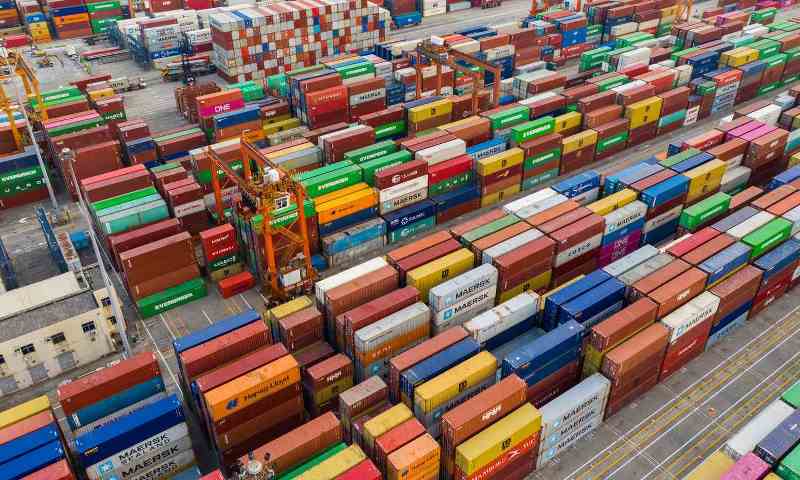
The global shipping industry has entered a gradual recovery phase following the reopening of the Strait of Hormuz, with container carriers and logistics operators working to restore normal trade flows after recent disruptions.
The key maritime route’s reopening is expected to ease pressure on international supply chains, though industry experts anticipate that a full recovery will take time as vessels, schedules, and cargo networks return to normal operations.
Container shipping companies are likely to face a transition period as they manage delayed shipments, adjusted vessel rotations, and accumulated cargo backlogs. Market participants expect recovery efforts to continue over the coming months as capacity balances and trade routes stabilize.
The Strait of Hormuz remains a critical corridor for global energy and commercial shipping, making operational stability in the region important for international logistics networks.
Shipping lines and ports are closely monitoring developments while focusing on restoring schedule reliability, improving cargo flow, and minimizing further supply chain disruptions. The gradual recovery highlights the resilience of global maritime trade amid changing geopolitical conditions.