
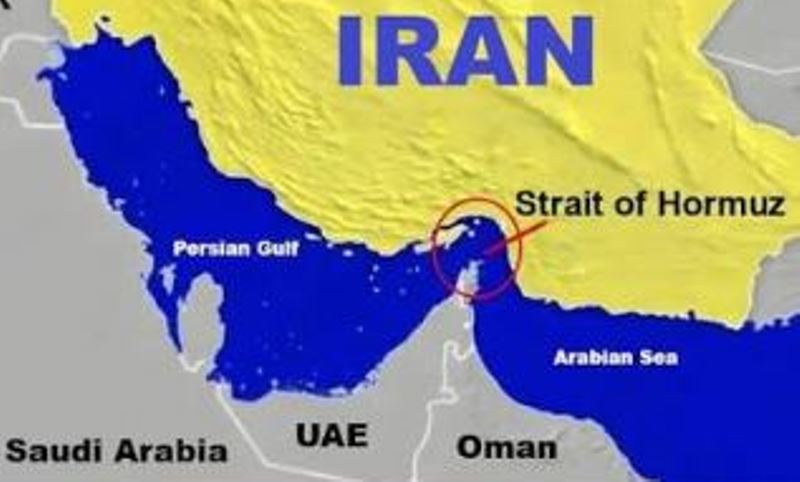
The International Bargaining Forum (IBF) has extended the designation of the Strait of Hormuz as a warlike operations area until at least July 9, ensuring that eligible seafarers continue to receive double pay despite the fragile ceasefire in the region.
The decision, announced jointly by the International Transport Workers’ Federation (ITF) and the Joint Negotiating Group (JNG), reflects ongoing concerns over the safety of crews operating in one of the world’s busiest maritime chokepoints.
Under IBF labour agreements, which cover around 15,000 vessels worldwide, seafarers transiting the Strait of Hormuz and nearby waters are entitled to:
Double wages while operating in the designated area.
The right to refuse assignments into the warlike zone.
Company-funded repatriation if they choose not to sail through the region.
According to the ITF and JNG, the extension acknowledges the “continuing and significant risk to life” amid the rapidly evolving security situation.
The move follows two attacks on merchant vessels after a memorandum of understanding was reached between the United States and Iran, raising fresh concerns over maritime security despite ongoing diplomatic efforts. Technical talks between the two sides are scheduled to take place in Doha.
The Strait of Hormuz was first classified as a warlike operations area by the IBF on March 5, shortly after the initial attacks on commercial shipping. Since March, merchant vessels have faced heightened risks following Iran’s closure of the strategic waterway in response to U.S. and Israeli military strikes.
According to industry estimates, the conflict has resulted in:
More than 40 merchant ships attacked
At least 14 seafarers killed
Thousands of crew members remaining stranded in the Gulf
Recent attacks last week also prompted the International Maritime Organization (IMO) to suspend plans to evacuate approximately 11,000 seafarers still trapped in the region.
The continued war-risk designation is expected to increase operating costs for shipowners while reinforcing protections for seafarers navigating one of the world’s most strategically important shipping routes.