
Iran and Oman are close to reaching an agreement on a temporary shipping arrangement through the Strait of Hormuz, but Tehran has warned that the strategic waterway will not be fully reopened unless the United States meets a broader set of demands.
Iranian Foreign Minister Abbas Araqchi said on Saturday that discussions with Oman on establishing a new shipping route through the strait were “very close” to an agreement. However, he stressed that a full reopening would depend on additional conditions, including compensation from the United States.
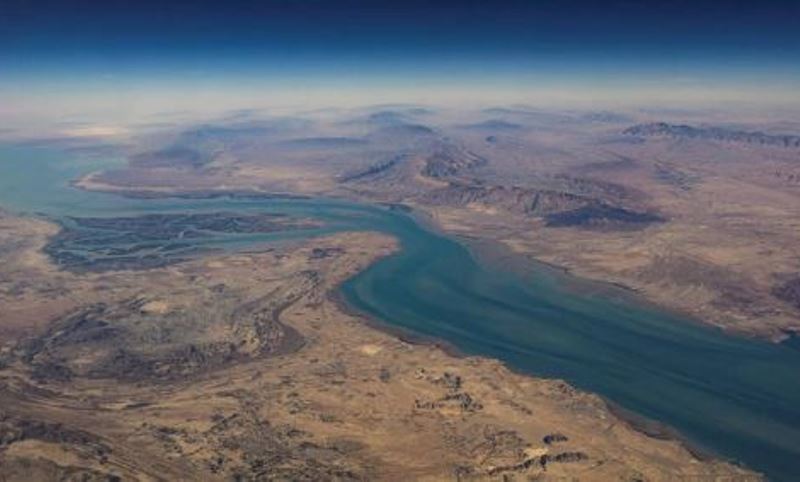
The Strait of Hormuz, located between Iran and Oman, is one of the world’s most important energy corridors, carrying around one-fifth of global oil and gas shipments before the current conflict. Disruptions to traffic since the outbreak of the US-Iran war have affected commercial shipping and contributed to higher energy prices.
Tehran links reopening to US concessions
Iranian officials have made clear that the shipping arrangement with Oman is separate from the broader conditions Tehran has set for restoring unrestricted maritime traffic.
Mohammad Baqer Zolqadr, secretary of Iran’s Supreme National Security Council, said Iran’s demands include an end to US threats and military action against Iran and its regional allies, the lifting of blockades and sanctions, and the release of Iranian assets.
Iran’s Islamic Revolutionary Guard Corps has also said the Strait of Hormuz would be reopened once Washington accepts Tehran’s conditions.
Araqchi said Iran no longer accepts the previous traffic-separation arrangement used in the strait. Iran and Oman are now discussing a temporary route while technical and legal issues surrounding a permanent arrangement are worked out.
Oman described the negotiations as “positive and constructive” and urged restraint to ensure that developments at sea do not undermine the talks.
Shipping incidents add to uncertainty
The situation remains tense despite the diplomatic efforts. The UAE said on Saturday that Iran had attacked a vessel linked to the country’s state oil company with a missile while it was transiting the Strait of Hormuz. No injuries were reported.
The UK Maritime Trade Operations monitoring service also reported that a vessel caught fire after being struck by an unidentified projectile. The fire was later extinguished, with no environmental impact reported.
Iran had not immediately commented on the incidents.
US blockade could be lifted
A US official told Reuters that Washington expects an agreement between Iran and Oman soon, potentially allowing normal oil traffic to resume.
The official also said the United States would lift its blockade of Iranian ports once unrestricted commercial shipping through the strait is restored, subject to Iran meeting its commitments.
US Central Command said more than 30 vessels had been permitted to transit for humanitarian purposes since the blockade began. It also said US forces had turned away 53 vessels, disabled two and boarded two others.
The latest diplomatic efforts come after weeks of mixed signals over the possibility of a broader US-Iran agreement. While the Trump administration has suggested that a deal to restore shipping through the Strait of Hormuz could be close, Iranian officials have previously denied that formal negotiations were underway.
With the global energy trade heavily dependent on the waterway, the outcome of the Iran-Oman talks could have significant implications for tanker movements, freight markets and energy prices. For now, however, the reopening of the Strait of Hormuz remains tied to wider US-Iran negotiations over sanctions, compensation, military action and economic pressure.