
Chhattisgarh is set to strengthen its position as a major tilapia production and export hub, with the Union Fisheries Department charting an export-oriented roadmap for the state’s dedicated tilapia cluster.
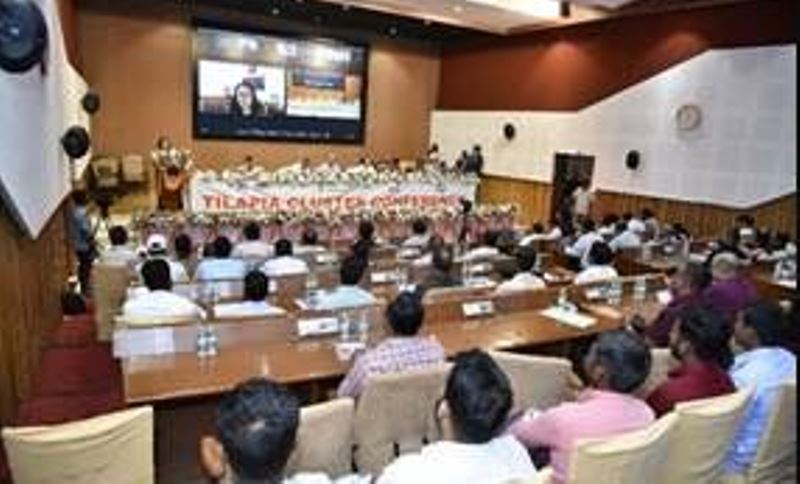
Dr. Abhilaksh Likhi, Secretary of the Department of Fisheries, Ministry of Fisheries, Animal Husbandry and Dairying, held discussions with tilapia farmers, entrepreneurs, exporters and other value-chain stakeholders in Raipur on August 20 to review the progress of the cluster notified under the Pradhan Mantri Matsya Sampada Yojana (PMMSY). More than 1,300 farmers and value-chain stakeholders participated in the interaction.
The discussions focused on strengthening the entire tilapia value chain, covering production, quality seed, processing, value addition, quality assurance, financing and market linkages. The government aims to address existing gaps and improve the competitiveness of Chhattisgarh’s tilapia industry in domestic and international markets.
Chhattisgarh has already emerged as an important tilapia-producing state. According to the Fisheries Department, investments of nearly ₹900 crore under PMMSY have supported quality seed, feed and modern aquaculture technologies in the state, contributing to a doubling of fish production to nearly 10 lakh tonnes.
The state is also gaining traction in overseas markets. India exported 22,601 tonnes of tilapia worth ₹189.73 crore in FY2025-26, making the species the country’s largest freshwater finfish export by volume. Chhattisgarh has additionally initiated exports of value-added tilapia products to the United States, opening a new avenue for inland-state participation in seafood exports.
The proposed cluster will bring together farmers, hatcheries, processors, exporters and other stakeholders to create a more integrated production and processing ecosystem. Better access to quality seed, modern aquaculture technologies, processing infrastructure and international market connections is expected to improve productivity and farmers’ incomes.
Following the stakeholder meeting, Likhi visited MM Hatcheries in Mana, Raipur, which is involved in quality tilapia seed production and genetic improvement of black-strain tilapia. The hatchery has received ₹5 crore in financial assistance under the Entrepreneurship Model of PMMSY and is supporting the expansion of tilapia farming through improved seed quality and productivity.
The government is also encouraging greater involvement from research institutions and export agencies. The Fisheries Secretary called for closer collaboration among farmers, exporters, the state government and ICAR institutions, while urging the Marine Products Export Development Authority (MPEDA) to expand its presence in Chhattisgarh and support market access and export promotion.
The Chhattisgarh tilapia cluster is part of the government’s broader 34-cluster fisheries development strategy under PMMSY, aimed at integrating production, processing, value addition and market linkages across specialised fisheries regions.
With growing domestic production, improving aquaculture infrastructure and access to overseas markets, Chhattisgarh’s tilapia cluster could become an important model for export-oriented inland aquaculture, helping diversify India’s seafood export basket while creating new opportunities for farmers and value-chain businesses.