
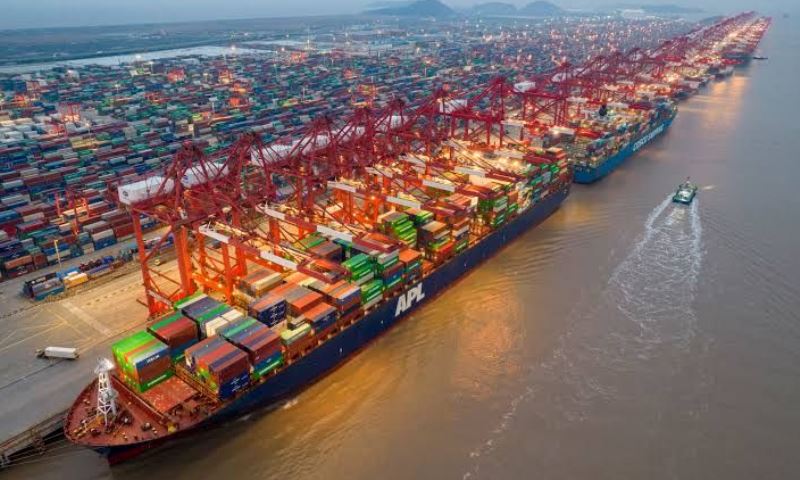
The Port of Osaka handled 181,197 TEUs of foreign-trade containers in July 2026, marking a 3.2% year-on-year decline, according to preliminary statistics compiled by the Osaka Ports and Harbors Bureau.
The decline reflects weaker container activity across both import and export flows during the month. Foreign-trade container traffic remains an important component of Osaka’s overall port operations, supporting manufacturing and consumer markets in the Kansai region.
Import and Export Volumes Weaken
Foreign-trade container movements were affected by softer volumes on both sides of the trade balance. Imports fell 5.6% year on year, while exports declined 0.4% during July.
The sharper drop in inbound containers was the main factor behind the overall reduction in foreign-trade throughput.
July Decline Follows Broader Trade Trends
The July figures highlight continued fluctuations in containerised trade at Japanese ports amid changes in regional manufacturing, consumer demand and international shipping patterns.
For Osaka, maintaining container volumes will remain important as the port competes with other major Japanese gateways for international liner services and cargo connected to the wider Kansai industrial base.
The latest data are preliminary and may be revised as the Osaka Ports and Harbors Bureau finalises its statistics.