
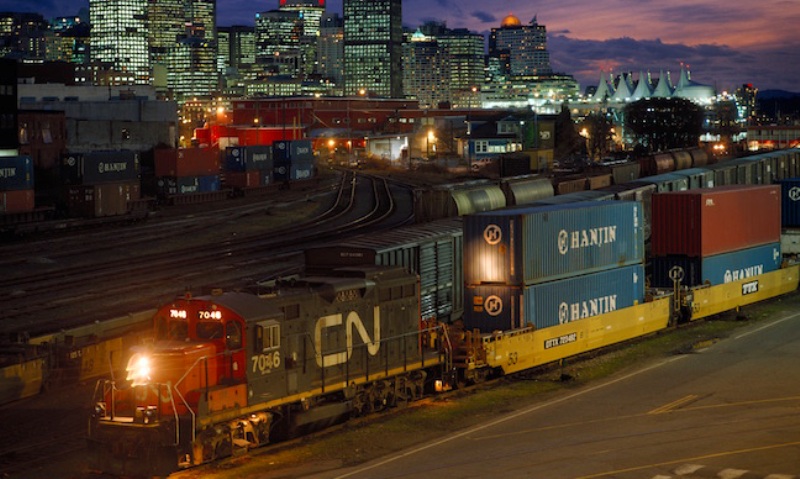
The Port of Vancouver has reached a record 88.1 million tonnes of cargo, supported by strong volumes of grain and oil exports, highlighting the port’s role as a major gateway for Canadian bulk commodities.
The record throughput reflects continued demand for Canadian agricultural and energy products moving to international markets. Grain remains a key cargo category at the port, with exports supporting Canada’s global food supply chains, while oil shipments add to overall bulk cargo volumes.
As Canada’s largest port, Vancouver handles a broad mix of commodities through its marine terminals, connecting producers and exporters with markets across Asia, Europe and other regions. Its links with Canada’s rail and road networks also support the movement of cargo from inland production centres to the Pacific coast.
Strong bulk exports have increased the importance of efficient terminal operations and reliable landside connections. Grain and energy shipments typically require coordinated rail deliveries, storage, loading and vessel operations to maintain cargo flows and avoid congestion.
The record 88.1 million tonnes also underscores the importance of Vancouver’s infrastructure in supporting Canada’s international trade. Continued investment in terminal capacity, rail connectivity and supply-chain efficiency will be important as commodity exporters respond to changing global demand.
The latest performance comes as ports worldwide continue to manage shifts in trade patterns, commodity demand and shipping conditions. For Vancouver, sustained grain and oil volumes provide an important base for future cargo growth and reinforce its position as a key Pacific gateway for Canadian exports.