
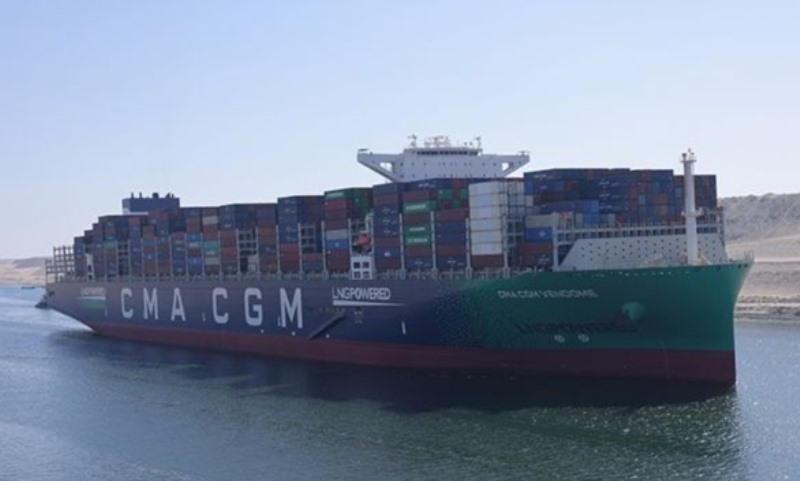
CMA CGM has revised its surcharges across several major shipping trades, adjusting freight-related charges as the carrier responds to changing market and operational conditions.
The updated surcharges apply to selected trade lanes and cargo movements, with the changes aimed at reflecting current transportation costs and capacity conditions across the carrier’s network. Customers shipping on affected routes will need to review the applicable charges when planning new bookings.
Peak-season and other freight surcharges are commonly used by carriers to manage periods of higher demand, limited vessel capacity and increased operating costs. Changes can also reflect developments affecting ports, fuel, equipment availability and regional logistics networks.
CMA CGM operates a global container shipping network linking major production and consumption markets across Asia, Europe, the Americas, Africa and the Middle East. Adjustments to surcharges can therefore affect a wide range of exporters, importers and freight forwarders.
For cargo owners, revised surcharges add an additional consideration when calculating total landed transportation costs. Shippers are expected to check the effective dates, applicable origins and destinations, equipment types and cargo conditions associated with the updated charges.
The latest changes come as container carriers continue to adjust pricing across major trade lanes in response to fluctuations in demand and supply. Freight rates can also be influenced by vessel capacity, network changes, port congestion and disruptions along key maritime routes.
CMA CGM’s surcharge revisions form part of its ongoing freight-pricing adjustments across its international network. The carrier is expected to continue monitoring market conditions and make further changes where operational or commercial circumstances require.
For businesses dependent on international container transport, keeping track of carrier surcharge updates remains important for shipment budgeting and supply-chain planning, particularly during periods of changing market conditions.