
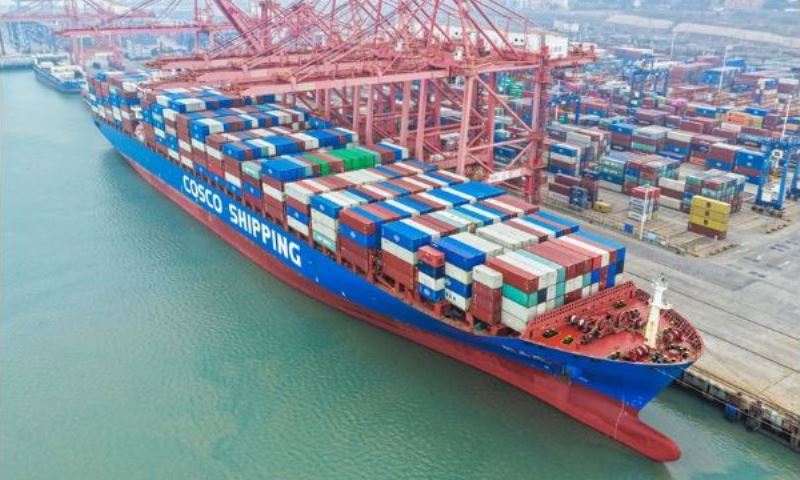
Container trade between Asia and Europe has reached a record level as strong export activity from Asian markets drives higher cargo volumes on the major east-west trade route.
The increase reflects continued demand for Asian manufactured goods across European markets, with exporters moving larger volumes of consumer products, machinery, electronics and other manufactured cargo.
Asia–Europe is one of the world’s most important container shipping corridors, connecting major production centres in China and other Asian economies with European ports. Higher export volumes have increased demand for container capacity and contributed to stronger activity across the route.
The surge in cargo is also influencing shipping network planning. Carriers are closely monitoring booking levels, vessel utilisation and port congestion as they adjust capacity to changing demand conditions.
European importers and retailers rely heavily on Asian supply chains for a wide range of products. Any sustained increase in export volumes can therefore have a direct impact on container availability, freight rates and port operations along the route.
The latest growth comes as global shipping markets continue to adjust to changes in trade patterns, vessel deployment and routing. Capacity decisions by carriers will remain important in determining how the additional cargo demand affects the market.
For ports, higher Asia–Europe volumes could translate into increased vessel calls, container handling activity and demand for inland transport and logistics services. Major European gateways are also preparing for changing cargo flows and vessel schedules.
The record level of container trade highlights the continued importance of the Asia–Europe corridor to global supply chains. Future volumes will depend on consumer demand in Europe, Asian manufacturing activity and broader developments in international trade.
With exports remaining strong, shipping lines and logistics operators are expected to continue monitoring the route closely as they manage capacity and cargo flows.