
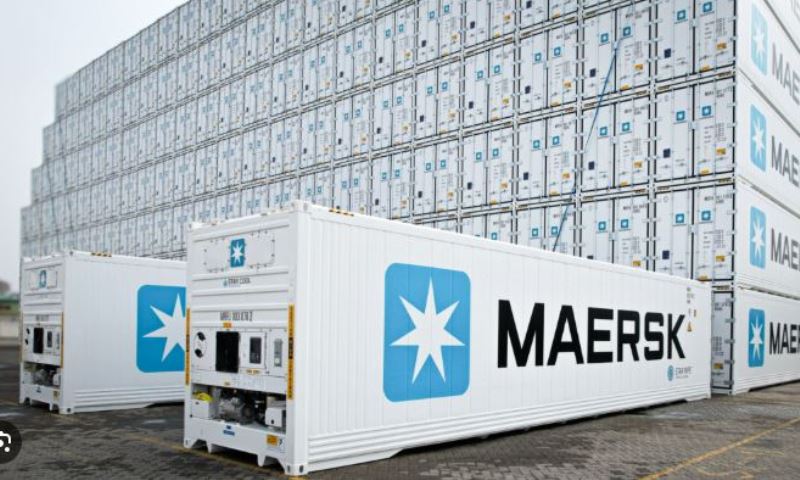
Maersk has updated its cooling service fees for cargo moving to Namibia, revising charges associated with temperature-controlled container shipments.
The revised charges apply to shipments requiring cooling or temperature-controlled services during handling and transportation in Namibia. Such services are particularly relevant for refrigerated cargo, including food products, pharmaceuticals and other temperature-sensitive goods.
The update forms part of Maersk’s regular review of local and destination-related charges across its global network. Cooling service fees cover additional requirements associated with maintaining appropriate temperatures while containers are handled at inland facilities or terminals.
For exporters and importers, the revised charges will form part of the overall logistics cost for applicable shipments. Customers moving temperature-sensitive cargo to Namibia may therefore need to factor the updated fees into freight budgets and shipment quotations.
Namibia relies heavily on maritime and inland logistics connections for international trade, with the Port of Walvis Bay serving as a key gateway for cargo entering the country and neighbouring markets. Efficient handling of refrigerated containers is important for Namibia’s food, agricultural and other temperature-sensitive supply chains.
The latest Maersk adjustment comes as shipping lines continue to review local service fees and surcharges in response to changes in operating expenses, energy costs, equipment requirements and terminal handling conditions.
The cooling service charge is separate from the basic ocean freight rate and may be applied alongside other applicable origin, destination, terminal and inland transportation charges.
Maersk customers are advised to check the carrier’s latest tariff information for the applicable charge, effective date, shipment type and destination conditions before arranging affected cargo.
The revision highlights the additional logistics costs associated with maintaining temperature-controlled supply chains, particularly for cargo requiring continuous refrigeration during international transportation.