
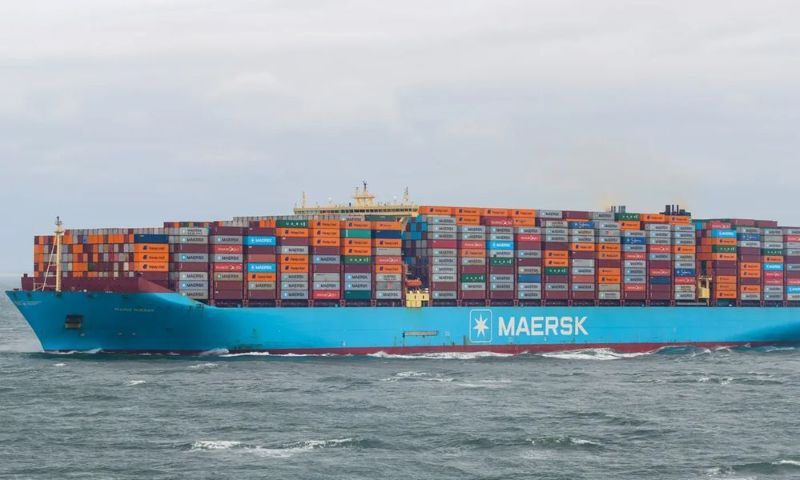
Maersk has revised terminal handling charges (THCs) applicable to Brazilian cargo, updating the costs associated with container handling at terminals in the country.
The revised charges will affect customers using Maersk services for import and export shipments involving Brazil. Terminal handling charges cover services associated with the movement and handling of containers within port terminals.
The adjustment forms part of Maersk’s ongoing updates to local charges as operating costs, terminal expenses and market conditions change. Such revisions can influence the overall logistics cost for shippers moving containerised cargo through Brazilian ports.
Brazil is a major trade market in Latin America, with substantial container flows involving agricultural commodities, industrial products, consumer goods and manufactured items. Efficient terminal operations remain important for exporters and importers managing international supply chains.
For customers, changes in THCs can affect the landed cost of cargo and may require adjustments to freight budgets and shipment planning. Freight forwarders and logistics providers are also expected to factor the updated charges into quotations for Brazilian cargo.
Maersk regularly reviews local and terminal-related charges across its global network to reflect changes in port operations and service costs. The latest revision highlights the importance of monitoring local surcharges and ancillary fees when planning container shipments.
Shippers using Maersk’s services to and from Brazil will need to take the updated THCs into account when calculating transportation costs and preparing future shipments.