
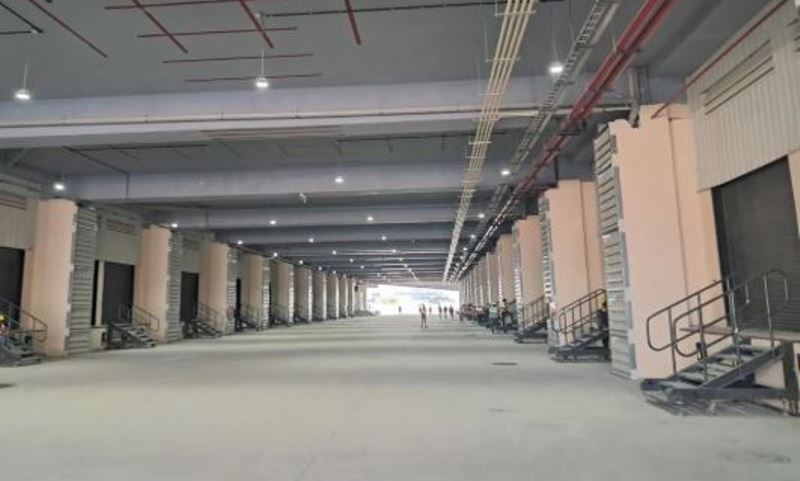
Air India SATS Airport Services (AISATS) is strengthening cargo storage support near Bengaluru’s Kempegowda International Airport by providing short-term warehousing facilities to manage increased freight volumes during the festive season.
The initiative aims to ease pressure on existing cargo-handling infrastructure as shipments rise during the peak period. Festive demand typically drives higher movement of e-commerce orders, consumer goods, electronics, textiles and other time-sensitive consignments.
Temporary warehousing can provide additional storage capacity for exporters, importers, freight forwarders and logistics companies, helping them manage cargo more efficiently and reduce congestion around airport facilities.
Bengaluru is an important air cargo gateway for southern India, handling a wide range of domestic and international shipments. Efficient cargo storage and handling are particularly important during peak periods, when limited warehouse space can affect shipment processing and turnaround times.
AISATS, a provider of airport ground handling and cargo services, plays a key role in supporting cargo operations at major Indian airports. The additional warehousing support is expected to give logistics stakeholders greater flexibility in managing seasonal fluctuations in freight demand.
The initiative highlights the importance of flexible storage infrastructure in maintaining smooth cargo flows during peak shipping periods. Its impact will depend on the additional space available, operating arrangements and the duration of the temporary facilities.