
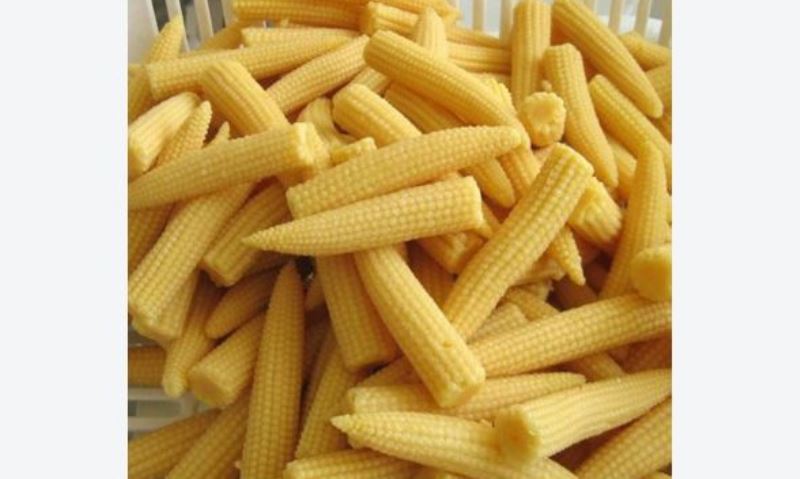
India’s trade agreement with the United Kingdom is expected to support export opportunities for Indian baby corn, even as disruptions in the Middle East create challenges for international trade and logistics.
The agreement is expected to strengthen market access for Indian agricultural products and provide exporters with opportunities to expand their presence in the UK market. Baby corn, a value-added agricultural product, has potential in overseas markets due to demand from food processors, restaurants and retail buyers.
Regional disruptions in the Middle East have affected established trade routes and increased uncertainty around shipping schedules, freight costs and cargo movement. Such challenges can create difficulties for exporters seeking reliable delivery schedules and competitive pricing in international markets.
The UK market could offer Indian exporters an alternative destination for diversifying shipments and reducing dependence on traditional trade routes and markets. However, the benefits will depend on the applicable tariff provisions, product-specific requirements, buyer demand and exporters’ ability to meet UK food safety and quality standards.
India’s agricultural export sector is increasingly focused on diversifying destinations, improving supply-chain efficiency and expanding exports of processed and specialised food products. Trade agreements can help strengthen these efforts by improving market access and providing greater clarity for businesses.
For baby corn exporters, the combination of improved trade opportunities and reliable cold-chain logistics will be important in maintaining product quality and meeting delivery commitments.
The development highlights the potential role of the India-UK trade agreement in supporting agricultural export growth amid uncertainty in regional trade and shipping networks. The specific impact on baby corn shipments will depend on implementation details and evolving market conditions.