
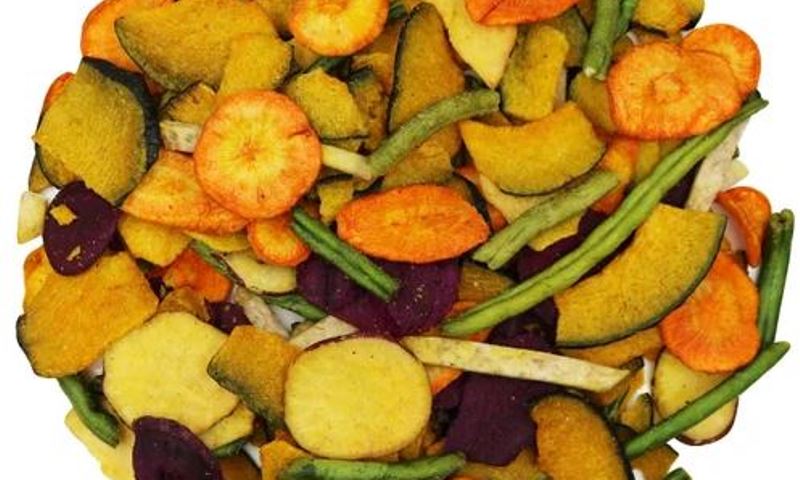
India’s dehydrated vegetable industry is emerging as a strong value-added export segment , helping the country convert large post-harvest agricultural losses into commercial opportunity.
With fresh produce often facing spoilage due to limited cold chain infrastructure, dehydration and processing are increasingly being used to extend shelf life, reduce waste, and unlock export potential across global markets.
Industry participants note that dehydrated vegetables such as onions, garlic, carrots, and green chillies are witnessing rising demand from food processing, hospitality, and packaged food sectors in Europe, the Middle East, and Southeast Asia.
Exporters highlight that improved processing capacity, contract farming, and better supply chain integration are enabling farmers to secure more stable incomes while reducing dependency on volatile fresh market prices.
The trend is also aligned with India’s broader push to strengthen agri-processing exports and reduce post-harvest inefficiencies, which continue to account for significant losses in the horticulture sector.
Officials and trade bodies expect the segment to grow further as investments in food processing infrastructure and export logistics continue to expand.