
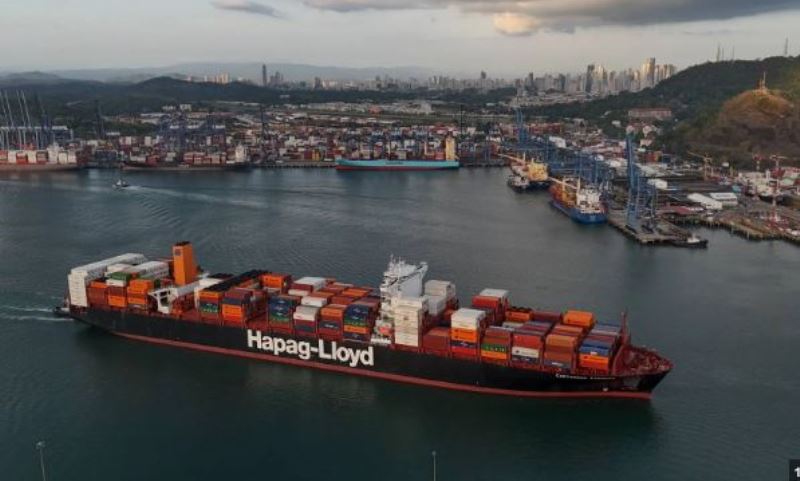
Hapag-Lloyd is facing an estimated US$600 million financial impact from the ongoing conflict and resulting disruption across the Middle East, highlighting the growing cost of maritime security and network changes for global container carriers.
The disruption has affected shipping operations across key Middle Eastern routes, forcing carriers to adjust vessel schedules, routing and capacity deployment. Longer voyages and operational changes have increased costs while affecting the reliability of services.
For Hapag-Lloyd, the impact includes additional fuel consumption, vessel operating costs, insurance expenses and network-related costs associated with adapting services to the changing security environment.
The conflict has also disrupted normal shipping flows through strategically important maritime routes, including the Red Sea and surrounding waters. Carriers have had to assess whether vessels can safely operate through affected areas or need to use longer alternative routes.
Such diversions increase sailing distances and consume additional fuel, while also tying up vessel capacity for longer periods. This can contribute to tighter effective capacity and higher freight costs on affected trades.
Hapag-Lloyd has been among the major carriers closely monitoring developments in the region. The company’s assessment of a US$600 million impact illustrates the scale of the financial consequences that prolonged disruption can create for container shipping operators.
The situation is also affecting shippers, freight forwarders and importers through higher transportation costs, longer transit times and schedule uncertainty.
The ultimate financial impact will depend on the duration of the conflict, security conditions and the extent to which normal shipping routes can be restored. Until then, carriers are expected to continue adjusting networks to balance operational efficiency with vessel and crew safety.