
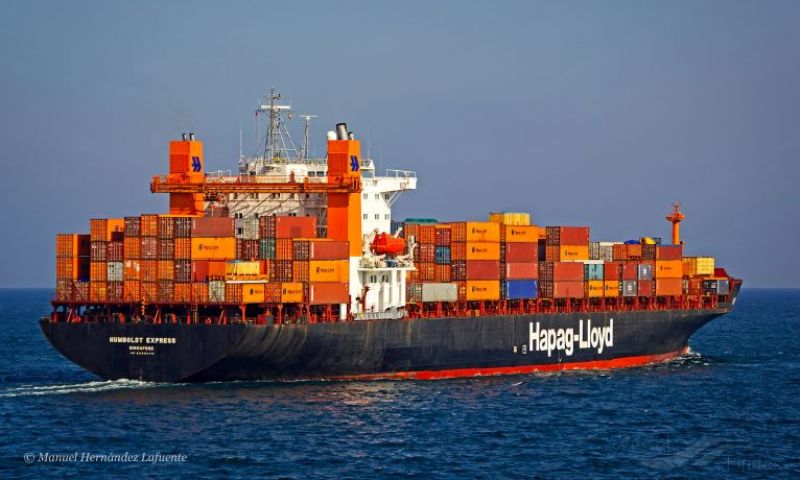
Hapag-Lloyd has announced an increase in freight charges for shipments moving to India and Pakistan, with the revised rates set to apply to cargo covered by the carrier’s latest tariff adjustment.
The rate increase reflects the continued pressure on shipping costs across key trade lanes, as carriers adjust pricing in response to changes in operating expenses, vessel capacity, market demand and network conditions.
The higher charges will affect exporters and importers using Hapag-Lloyd services to destinations in India and Pakistan. Shippers and freight forwarders are expected to factor the revised rates into shipment quotations and logistics budgets.
India and Pakistan remain important markets for container shipping, with substantial volumes of manufactured goods, commodities, machinery, textiles and consumer products moving through their ports. Changes in freight rates can therefore have a direct impact on the landed cost of goods and overall supply-chain expenses.
For cargo owners, the increase comes amid continued volatility in global container shipping. Disruptions around major maritime routes, vessel diversions and changes in capacity deployment have affected transit times and operating costs on several international trade corridors.
Shipping lines have responded to these conditions through a combination of freight-rate adjustments, surcharges and changes to service networks. Rate increases can vary according to origin, destination, equipment type, commodity and applicable service terms.
Freight forwarders and logistics providers serving the India and Pakistan markets will need to update their rate calculations and advise customers of the additional costs. Importers and exporters may also review sailing schedules and alternative services as they assess the impact of the increase.
For Hapag-Lloyd, the latest adjustment forms part of its broader pricing strategy as the carrier seeks to align freight levels with prevailing market conditions and the cost of maintaining its service network.
The company is expected to continue monitoring demand, capacity utilisation and operating costs across the affected trade lanes. Further changes to freight rates or surcharges could follow if market conditions shift.
Shippers planning cargo movements to India and Pakistan are advised to confirm the applicable Hapag-Lloyd tariff and effective date before finalising bookings, as the actual cost may depend on the specific shipment and service involved.