
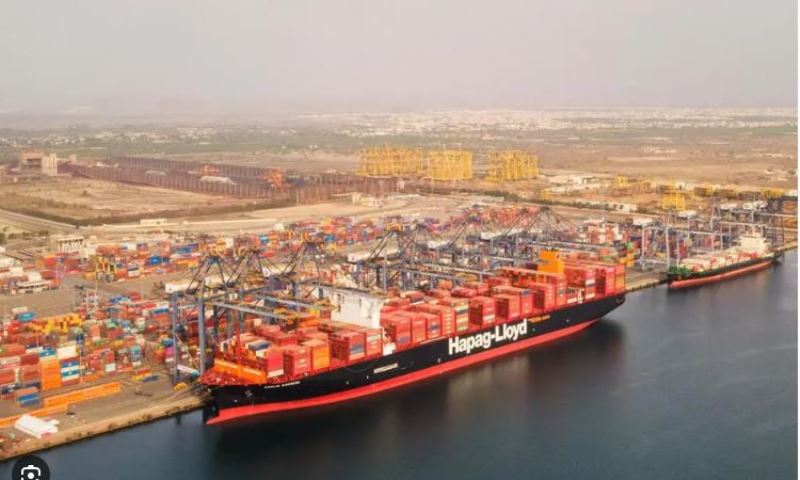
Hapag-Lloyd has warned that restrictions on the Panama Canal are continuing to disrupt shipping operations, creating challenges for carriers and customers using the key waterway.
The Panama Canal is an important link between the Atlantic and Pacific oceans, allowing vessels to avoid longer routes around South America. Restrictions on vessel transits can therefore affect service schedules, transit times and overall network planning.
For container shipping lines, reduced canal availability can require adjustments to vessel schedules and capacity deployment. Carriers may also need to consider alternative routing options when transit slots are limited or operating conditions change.
Hapag-Lloyd’s warning highlights the wider impact that infrastructure constraints can have on global supply chains. Delays at a major maritime chokepoint can affect vessel rotations and subsequently influence port calls, equipment availability and cargo delivery schedules across connected trade lanes.
The restrictions also add uncertainty for shippers planning time-sensitive cargo movements. Longer or less predictable transit times can increase transportation costs and require companies to build additional flexibility into their logistics planning.
The Panama Canal has faced operational challenges linked to water availability, prompting measures to manage vessel traffic and conserve resources. Such restrictions can have a particularly significant impact on larger vessels and services that depend on regular canal access.
Shipping lines are continuing to monitor conditions and adjust their networks as necessary. Hapag-Lloyd’s comments underscore the importance of reliable access to major maritime routes and the vulnerability of global container supply chains to disruptions at strategic waterways.
The situation will remain important for carriers, freight forwarders and cargo owners as they assess potential schedule changes and the effect of Panama Canal restrictions on international shipping.