
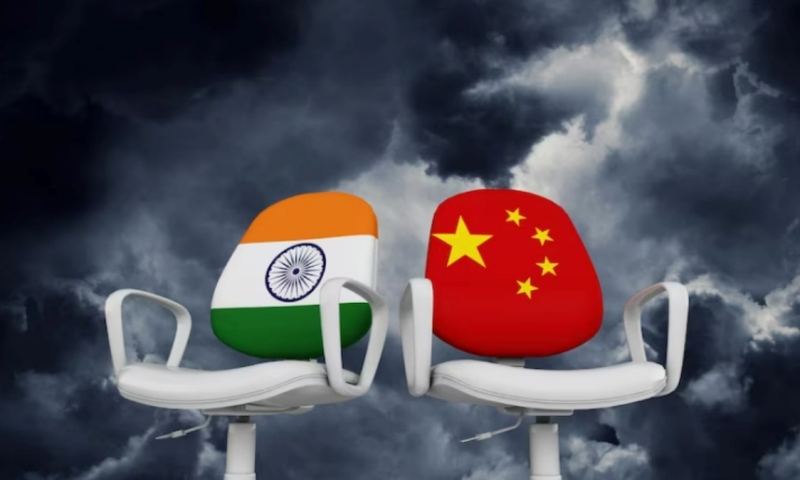
India and China will continue discussions to address bilateral trade concerns, with both sides seeking to improve economic engagement and resolve issues affecting trade flows, Commerce Secretary Rajesh Agrawal said.
The talks come amid growing attention to India’s trade imbalance with China and the need to improve market access for Indian exporters. China remains one of India’s largest trading partners and a major source of imports, particularly for electronics, machinery, chemicals, pharmaceutical inputs and industrial components.
India has been seeking greater access for its products in the Chinese market, particularly in sectors where Indian companies have export potential. Addressing non-tariff barriers, regulatory requirements and market-access restrictions is expected to remain an important part of the discussions.
At the same time, Indian industries remain heavily dependent on Chinese supplies for several manufacturing inputs and intermediate goods. Any improvement in bilateral trade relations could therefore have implications for supply chains across electronics, pharmaceuticals, engineering, chemicals and other manufacturing sectors.
The Commerce Ministry has repeatedly highlighted the need to diversify India’s import sources while expanding exports to major international markets. The government is also encouraging domestic manufacturers to strengthen production capabilities and reduce excessive dependence on imported components.
India’s trade deficit with China remains a key concern. While bilateral trade has expanded substantially over the years, imports from China continue to significantly exceed Indian exports, creating pressure on the overall trade balance.
Continued dialogue between the two countries is expected to focus on practical measures to facilitate trade while addressing concerns raised by Indian businesses. Greater market access for Indian goods could help narrow the trade imbalance and provide new opportunities for exporters.
The latest discussions form part of India’s broader effort to strengthen trade relations with major economies while diversifying export markets and building more resilient supply chains.