
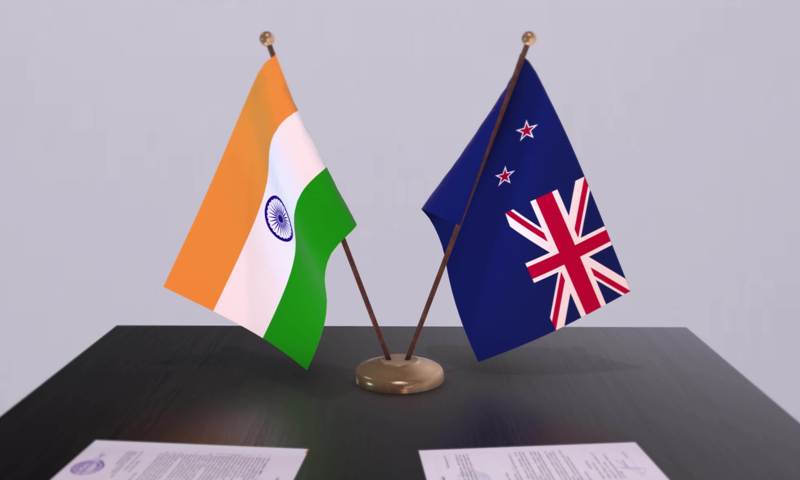
India and New Zealand are targeting late October for the implementation of their free trade agreement (FTA), a move expected to strengthen bilateral trade and expand market access for exporters in both countries.
Commerce Secretary Rajesh Agrawal said the agreement is likely to be enforced by the end of October, subject to completion of the required domestic procedures. The pact is expected to provide Indian exporters with improved access to the New Zealand market while opening additional opportunities for New Zealand businesses in India.
The agreement is particularly significant for India’s labour-intensive export sectors, including textiles, apparel, leather, footwear, engineering goods and pharmaceuticals. Greater tariff access could improve the competitiveness of Indian products and help exporters expand their presence in the New Zealand market.
New Zealand is also expected to gain improved access to India for a range of products, creating opportunities for increased bilateral trade in areas such as agriculture, food products, services and other sectors covered by the agreement.
The FTA comes as India continues to pursue a broader strategy of securing trade agreements with key markets to diversify exports and strengthen supply-chain links. New Zealand, meanwhile, sees India as an important long-term trading partner given its large consumer market and expanding economy.
Industry groups are expected to focus on converting the tariff benefits under the agreement into higher shipment volumes once the pact becomes operational. Exporters will also need to meet applicable rules of origin, product standards and other regulatory requirements to take full advantage of the new market access.
The implementation of the India–New Zealand FTA by late October would mark an important step in deepening economic ties between the two countries and could provide fresh momentum to bilateral trade.