
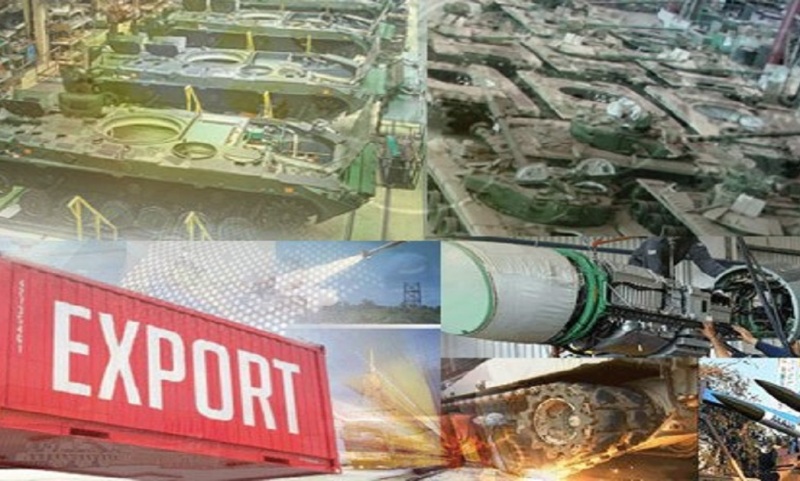
India has simplified its defence export procedures and widened the scope of the Open General Export Licence (OGEL) framework to help domestic manufacturers access overseas markets faster. The reforms, announced by the Ministry of Defence on August 28, aim to reduce repetitive approvals while retaining safeguards for sensitive destinations and technologies.
Under the revised Defence Export Standard Operating Procedure, stakeholder consultation will no longer be required for exports of non-lethal defence items to most destinations. The requirement has also been removed for exports linked to international tenders and exhibitions, allowing companies to pursue overseas opportunities more quickly.
The OGEL framework has been consolidated into a single procedure covering major platforms and equipment, parts and components, and intra-company technology transfers. Its validity has been extended from two years to three years, reducing the frequency of renewals for eligible exporters.
Geographical coverage has also expanded from 41 countries to all countries, excluding negative or sensitive destinations and countries subject to UN Security Council sanctions or arms embargoes. The government has additionally introduced provisions for Indian companies holding long-term agreements with foreign original equipment manufacturers.
The range of products eligible under OGEL has been expanded as well, including certain civil-end-use parts and components of small-calibre arms and protective equipment. The changes are expected to particularly benefit Indian defence manufacturers and MSMEs by reducing compliance requirements and enabling faster responses to international tenders and business opportunities.
The reforms come as India’s defence exports reach record levels. Defence exports stood at ₹38,424 crore in FY2025-26, while domestic defence production reached an all-time high of ₹1.78 lakh crore.