
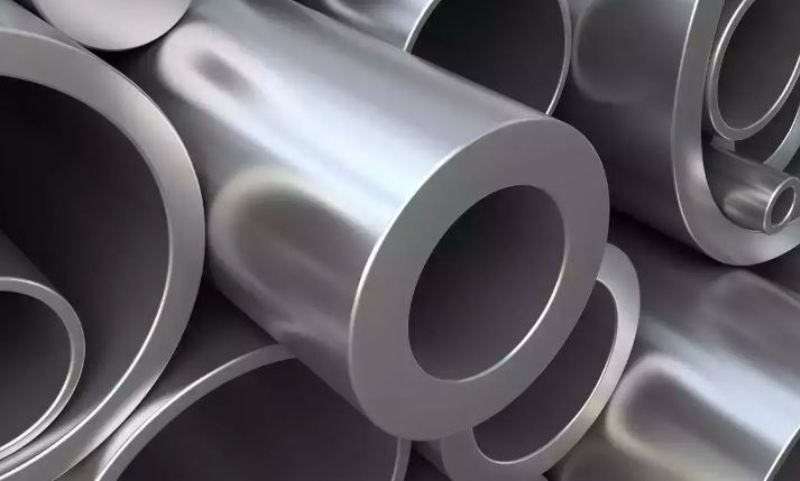
The Indian government has extended the anti-subsidy duty on imports of welded stainless steel pipes and tubes from China and Vietnam for an additional five years, according to an order from the Union finance ministry dated September 10. This duty was originally introduced in September 2019.
India will impose countervailing duty between 12 percent and 30 percent on the mentioned steel products imported from Vietnam and China respectively, with an aim to safeguard and boost local industry. The duty levied will be in place for the next five years, the order showed.
Countervailing Duties (CVD) are typically announced following an investigation by Directorate General of Trade Remedies (DGTR), which conducts these investigations and announces CVD measures after reviewing evidence and determining that subsidies are harming domestic industries. On June 15, the Directorate General of Trade Remedies (DGTR) under the commerce ministry affirmed the continuation of the CVD measures on these products, as it found removing these duties would harm domestic steel producers of India.
Reportedly, the probe, initiated in response to complaints from industry associations such as the Stainless Steel Pipe and Tubes Manufacturer Association and regional groups from South India and Haryana, revealed that these products were being exported to India at prices below their production costs due to subsidies.
In India, welded stainless steel pipes and tubes are widely used across various sectors due to their durability and corrosion resistance. They play a critical role in construction and infrastructure for building structures and handrails, as well as in automotive exhaust systems and fuel lines.