
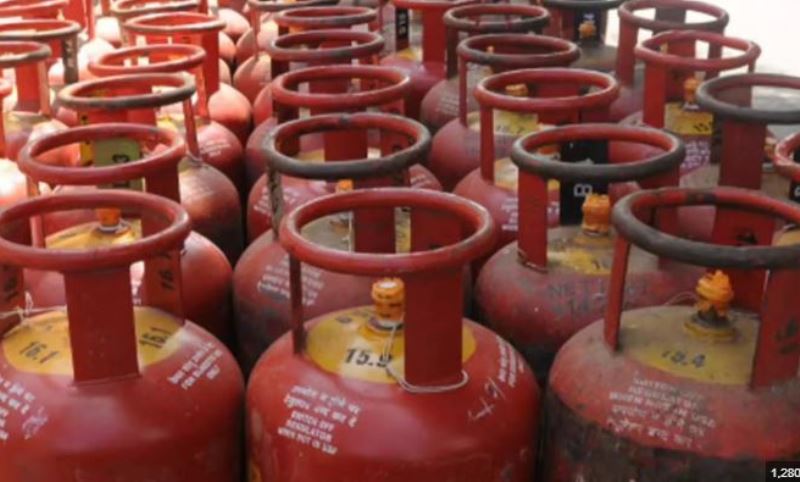
India is projected to import around 20.82 million tonnes of liquefied petroleum gas (LPG) in FY27, reflecting steady growth in domestic consumption driven by rising household demand and expanding clean cooking initiatives.
The increase in imports is largely attributed to the continued rollout of government schemes promoting LPG adoption, particularly in rural and semi-urban areas. As more households transition from traditional fuels to cleaner alternatives, demand for LPG is expected to remain strong.
Industry estimates suggest that domestic production alone will not be sufficient to meet the growing consumption needs, necessitating higher reliance on imports. Key suppliers are likely to include countries in the Middle East, which remain major exporters of LPG to India.
The anticipated rise in imports will also require enhancements in infrastructure, including storage capacity, import terminals, and distribution networks, to ensure smooth supply across the country. Oil marketing companies are expected to scale up investments to support the projected demand.
While increased LPG imports may add to the country’s energy import bill, they are seen as essential for supporting cleaner energy usage and improving living standards. The government is expected to balance supply security with efforts to boost domestic production and diversify sourcing strategies.