
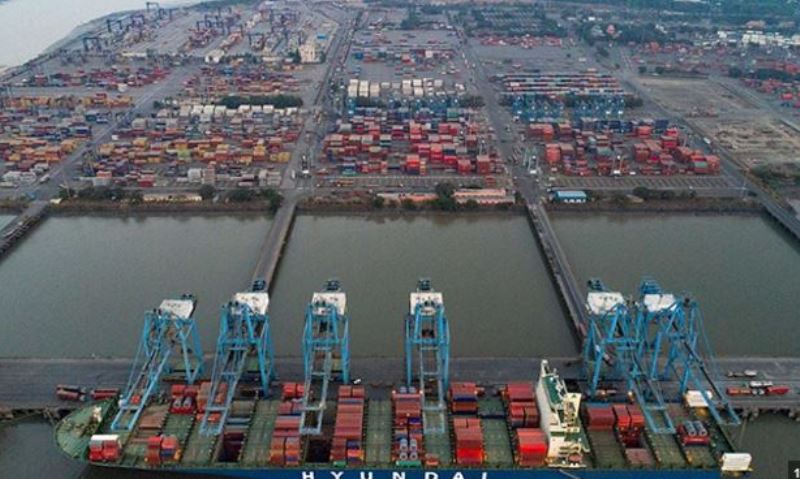
India is pushing for a technology-driven framework to strengthen security across the country’s ports, with greater use of digital tools and advanced technologies expected to improve monitoring and threat detection.
The proposed approach comes as India’s ports handle increasing volumes of international trade and become more integrated with global supply chains. Strengthening security infrastructure has therefore become increasingly important to protect cargo, vessels, port facilities and critical logistics networks.
A technology-led security framework could involve greater use of surveillance systems, data analytics, automated monitoring and digital information-sharing platforms. These tools can help authorities identify potential security risks more quickly and improve coordination among agencies operating within and around ports.
The integration of technology could also support more efficient monitoring of cargo and vessel movements. Digital systems can help authorities analyse large volumes of operational data and identify unusual patterns that may require further investigation.
India’s ports are also undergoing wider digitalisation as authorities seek to improve efficiency and transparency. Linking these digital initiatives with security systems could allow ports to strengthen protection without creating unnecessary delays in cargo and vessel operations.
The move is particularly relevant as global ports face evolving risks, including cyber threats, illicit cargo movement and disruptions to critical supply chains. A modern security framework would need to address both physical and digital vulnerabilities.
By encouraging greater adoption of advanced technologies, India aims to develop a more integrated and responsive port-security system. The initiative could help strengthen the resilience of the country’s maritime infrastructure while supporting the smooth movement of international trade.