
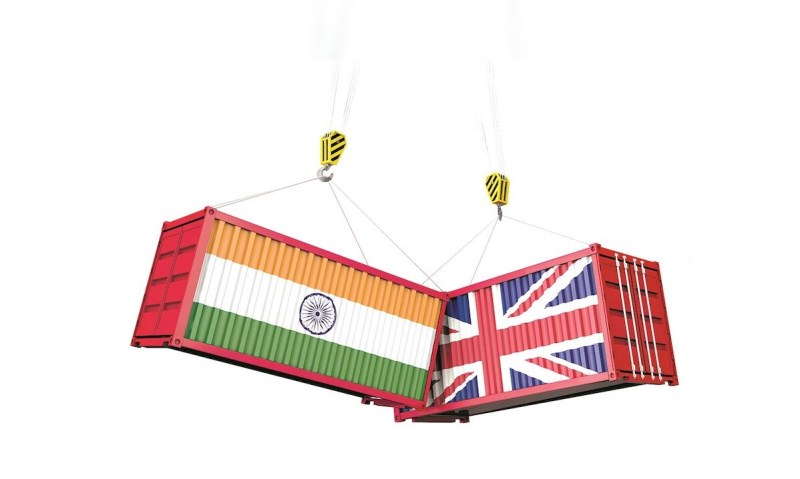
India’s Comprehensive Economic and Trade Agreement (CETA) with the UK is expected to create new opportunities for Indian exporters by improving market access and reducing trade barriers across a wide range of products and services.
The agreement is set to strengthen India’s access to the UK market, with exporters in sectors such as textiles, apparel, leather, footwear, engineering goods, chemicals, pharmaceuticals and processed foods positioned to benefit from improved tariff conditions.
For labour-intensive industries, lower or eliminated duties could improve the price competitiveness of Indian products and support greater integration with UK supply chains. The agreement could also provide smaller exporters with greater opportunities to enter the British market.
The services sector is another important component of the trade pact. Indian professionals and service providers could gain improved access in areas including IT, business services, professional services and other knowledge-based sectors, potentially supporting growth in India’s services exports.
The CETA is also expected to encourage greater investment and supply-chain partnerships between Indian and UK businesses. Greater certainty in market-access conditions could help companies plan long-term sourcing and production strategies.
However, exporters will need to meet UK quality, sustainability, technical and regulatory requirements to fully capture the opportunities created by the agreement. Improving logistics, product standards and compliance will remain important for expanding exports.
The India-UK CETA therefore has the potential to broaden India’s export base and deepen its trade relationship with the UK. Its longer-term impact will depend on how effectively Indian businesses, particularly smaller exporters, utilise the market access created by the agreement.