
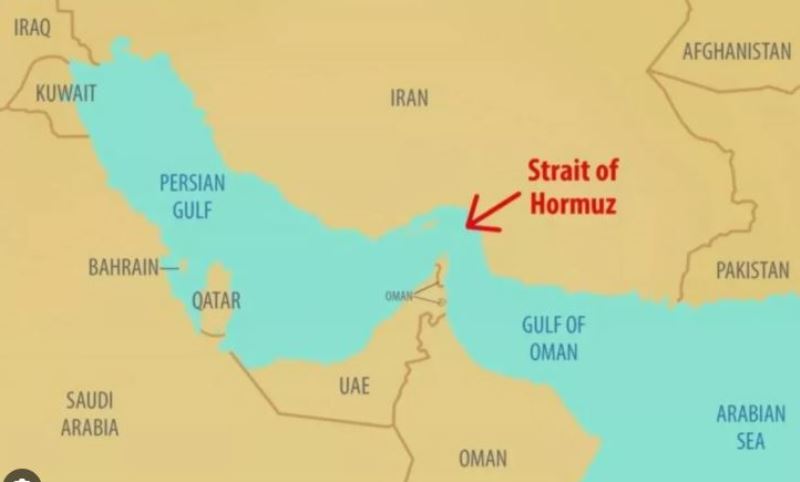
Iran and Oman are discussing the possibility of establishing a temporary maritime corridor through the Strait of Hormuz, as efforts continue to facilitate the movement of commercial vessels through the strategic waterway.
The proposed arrangement is aimed at providing a controlled transit mechanism for selected vessels while broader restrictions on shipping through the Strait remain in place. Discussions between the two countries are focused on how such a corridor could operate safely and under agreed conditions.
The Strait of Hormuz is one of the world’s most important maritime chokepoints, connecting the Persian Gulf with the Gulf of Oman and the Arabian Sea. It is a critical route for oil, petroleum products and liquefied natural gas shipments, as well as containerised and other commercial cargo.
Any temporary corridor could offer some relief to shipowners, charterers and cargo interests facing disruption to normal routing. However, the impact would depend on the vessels covered, the frequency of permitted transits and the security guarantees attached to the arrangement.
For carriers, the possibility of limited access could help improve voyage planning and reduce the need for lengthy diversions around alternative routes. Energy and commodity traders could also benefit from greater clarity over the movement of vessels and cargoes.
However, shipping companies are likely to remain cautious until the details of the proposed corridor are formally agreed and operational procedures are confirmed. Issues such as vessel eligibility, notification requirements, convoy arrangements, security measures and insurance coverage could determine how widely the corridor is used.
The talks also come amid heightened attention on the Strait’s role in global supply chains. Any prolonged disruption could increase voyage times, vessel operating costs, insurance premiums and freight rates, particularly on routes connecting Middle Eastern energy suppliers with Asian markets.
A temporary maritime corridor would therefore represent a potential step towards restoring controlled commercial traffic, but it would not necessarily signal a return to normal operations. Market participants are expected to closely monitor further announcements from Tehran and Muscat for confirmation of the corridor’s scope and implementation.
The outcome of the discussions could have significant implications for regional shipping and global energy markets, particularly if the arrangement enables a sustained flow of commercial vessels through the Strait of Hormuz.