
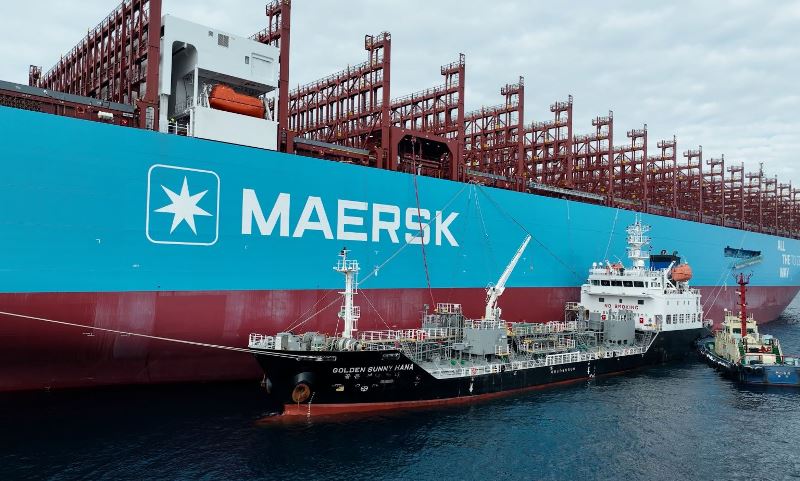
Maersk has announced revised Fuel Cost Recovery (FCR) fees for its intermodal inland transport services across Australia and New Zealand, reflecting changes in regional fuel prices and operating costs. The updated charges are intended to ensure that inland transportation pricing remains aligned with market conditions while supporting the continued delivery of reliable logistics services.
The revised FCR fees will apply to container movements by road and rail connected to Maersk’s ocean freight services. The adjustment is part of the carrier’s regular review of inland transportation costs, which are influenced by fluctuations in diesel prices, transportation expenses, and broader supply chain dynamics.
Maersk said the updated fuel recovery mechanism is designed to provide greater transparency by linking fuel-related charges more closely to prevailing market conditions. Customers using the company’s integrated logistics solutions in Australia and New Zealand have been advised to review the revised tariffs and effective implementation dates for their shipments.
The adjustment comes as logistics providers continue to face volatile fuel markets, rising operating expenses, and increasing pressure to maintain efficient inland transport networks. Fuel recovery fees are commonly revised by carriers to offset changes in transportation costs while ensuring service continuity across multimodal supply chains.
Industry analysts noted that the updated charges are unlikely to significantly alter trade flows but may modestly increase inland logistics costs for shippers moving cargo through Australia and New Zealand. The revision underscores Maersk’s ongoing focus on maintaining cost-effective, transparent, and resilient end-to-end logistics services while adapting to evolving market conditions.