
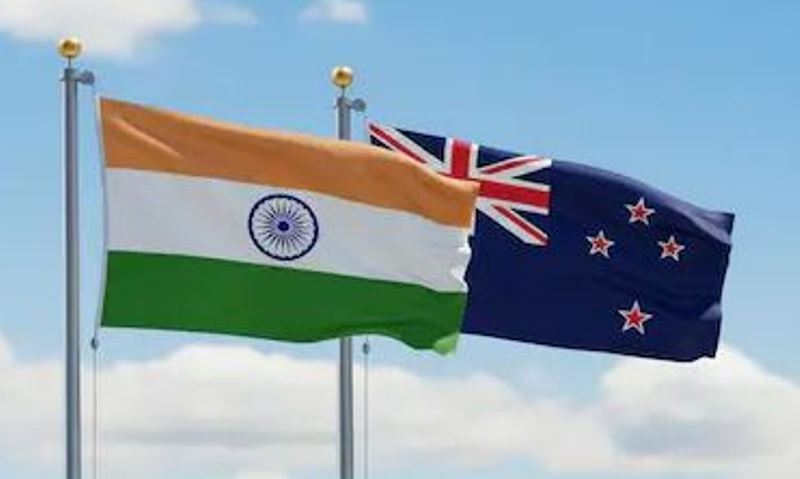
New Zealand’s Parliament has passed the country’s trade agreement with India, clearing a key legislative step toward reducing tariffs on a broad range of traded goods.
The agreement is expected to improve market access for Indian exporters by providing preferential tariff treatment for a large share of exports to New Zealand. The deal covers goods trade and is aimed at strengthening commercial ties between the two countries.
Indian exporters in sectors such as textiles, apparel, engineering goods, pharmaceuticals, processed foods and other manufactured products could benefit from improved access to the New Zealand market as tariff commitments are implemented.
For New Zealand businesses, the agreement is expected to provide greater access to the Indian market and create opportunities across areas including agriculture, food products, manufacturing and services.
The trade pact forms part of broader efforts by India and New Zealand to deepen bilateral economic relations and expand two-way trade. Lower tariffs are expected to improve price competitiveness for eligible products and encourage businesses to explore new markets.
With parliamentary approval secured in New Zealand, the agreement will move toward its next implementation stages, including completion of domestic procedures and the entry into force of the agreed commitments.
The pact is expected to provide exporters and importers with a more predictable framework for bilateral trade while supporting greater integration between the two economies.