
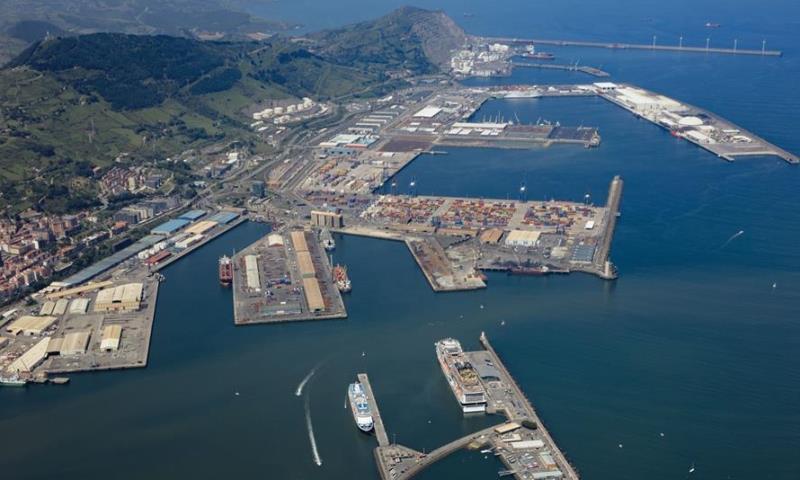
The Port of Bilbao reported a 6.8 per cent decline in total cargo throughput in 2025, reflecting softer trade flows and weaker demand across key commodity segments.
According to port data, the drop in volumes was driven primarily by reduced bulk traffic, particularly in energy-related cargoes, amid fluctuating consumption patterns and shifting supply chains. Containerized cargo also recorded a moderate slowdown, in line with broader trends across several European gateways.
Despite the overall contraction, certain segments showed resilience, including selected general cargo categories and project shipments linked to industrial activity in the region. Port officials noted that infrastructure performance and operational efficiency remained stable throughout the year.
The port authority attributed the decline partly to macroeconomic headwinds, including subdued industrial output and geopolitical uncertainties that have influenced trade dynamics. However, it emphasized that ongoing investments in digitalization, sustainability, and intermodal connectivity are expected to strengthen long-term competitiveness.
Looking ahead, the Port of Bilbao said it remains focused on diversifying cargo streams, enhancing energy transition projects, and attracting new shipping services to offset cyclical volatility in traditional bulk and container markets.