
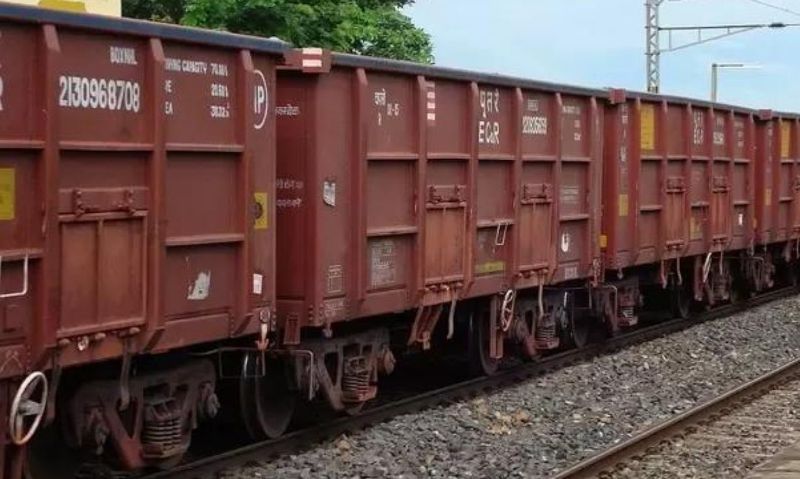
Consumer durables, FMCG products, electronics, e-commerce goods, automobiles, paper products and pharmaceuticals continue to move predominantly via road and the Indian Railways (IR) needs to recalibrate its operational and commercial frameworks to actively tap into these high-growth freight basket segments, said a report by FICCI-PwC.
The report, titled “Unlocking growth: Railway freight portfolio diversification in India”, said coal, cement, and iron and steel collectively account for approximately 70% of total freight volumes carried by rail. This concentration indicates a strong dependence on specific commodities, it said.
It added that to expand its freight portfolio, IR must either increase its modal share within the existing select traditional commodity portfolio or diversify into new segments, particularly lightweight goods.
“Therefore, IR has strong potential to recalibrate its operational and commercial frameworks to actively tap into these high-growth freight basket segments. Greater contribution from these lightweight commodity segments will be key to supporting IR’s efforts to achieve its targets of 3,000 MT in annual loadings by 2027 and a rail modal share of 45% by 2030,” it said.
The lightweight shipments and non-traditional commodities, such as consumer durables, FMCG products, electronics, e-commerce goods, automobiles (including four- and two-wheelers), paper products and pharmaceuticals, continue to move predominantly via road, the reported noted that these high- growth sectors represent the future of freight logistics, with several of these segments projected to grow at nearly twice the pace of the traditional commodities that currently dominate rail transport.
“For lightweight commodities to become an integral part of long-term supply chains for end users and logistics providers, IR needs to ensure efficient operations, reliable services, availability of suitable wagons, competitive pricing, a supportive ecosystem and technology-driven, consumer centric service,” it added.
Acknowledging that major investments have been made to create additional infrastructure and capacity in the railway network over the last 10 years, the report highlights that to fully realise the desired growth in rail modal share, these efforts must be complemented by targeted interventions that promote the movement of lightweight commodities and enable greater diversification of the rail freight portfolio.