
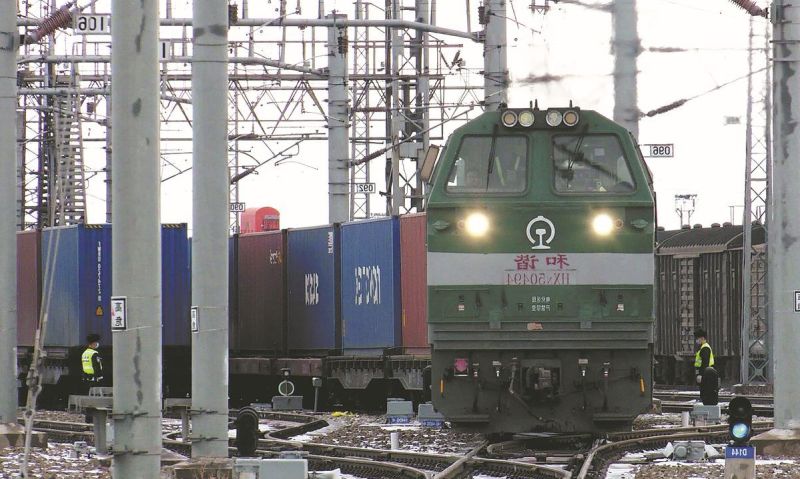
Uzbekistan Railways and China Energy International Group Samarkand Cement discussed the current state and prospects for the development of cement rail transportation, media reports.
The matter was reviewed at a meeting between Uzbekistan Railways and China Energy International Group Samarkand Cement focused on the development of rail freight transportation. The meeting was attended by key specialists from both companies, including logistics experts.
In the course of the meeting, participants reviewed the results of 2024 and outlined strategic goals for 2025.
According to the figures provided, China Energy International Group Samarkand Cement used 734 boxcars, 30 hoppers, and 1,227 standard wagons for domestic and export shipments in 2024. The company aims to increase exports to 3,500 boxcars (equivalent to 250,000 tons) and supply 2,000 boxcars to the domestic market in 2025. In addition, the company targets to produce and sell approximately 900,000 tons of cement.
The sides discussed current problems in railroad freight transportation and proposed possible remedies. Special attention was paid to the importance of creating stable logistics chains to maintain competitiveness in the Afghan market and strengthen the position of Uzbek cement.
The parties expressed eagerness to expand cooperation to ensure stable and competitive supplies of domestic products to target markets.