
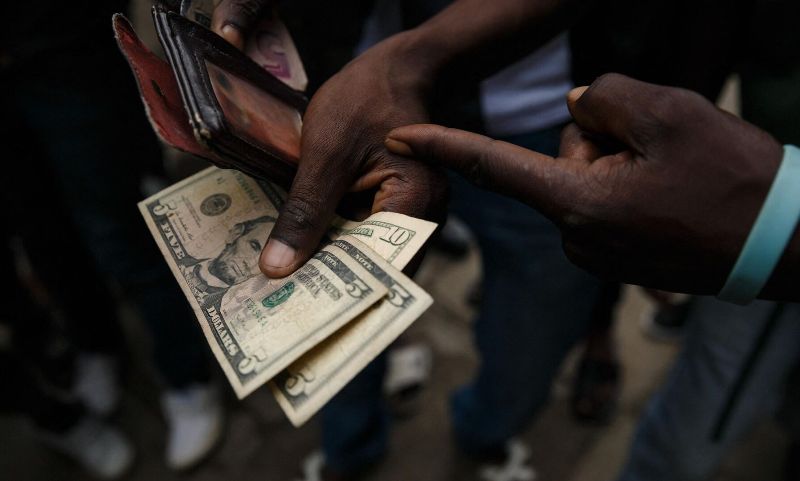
Over half of US retailers surveyed by Allianz expect their prices to rise as they adjust to the impact of tariff costs.
Media reported that a study surveying 4,500 firms across nine countries found that 54 per cent of US businesses plan to pass increased costs onto consumers, while only 22 per cent intend to absorb them.
The remaining 24 per cent are exploring alternative strategies, such as seeking new suppliers or reducing their product offerings.
The first wave of tariffs under President Donald Trump began in February, with a 25 per cent tariff imposed on imports from Canada and Mexico, and a 10 per cent tariff on goods from China.
One month later, Stephen Dyke, Principal Solutions Consultant Manager at FourKites, commented on the impact of the tariffs, stating: “The additional tariffs on China, Mexico, and Canada are forcing companies across various industries to take strategic measures to mitigate risks.”
He added that “the most vulnerable sectors include electronics, machinery, plastics, and furniture —areas where China has long been a dominant supplier.”
Although Trump reversed some of his initially proposed tariffs, significant ones remain in place, including a 10 per cent universal tariff on all US imports, a 30 per cent duty on Chinese goods, and additional levies on specific sectors like metals and auto parts, according to media.
Jean-Pierre Dubé, a professor of marketing at the University of Chicago Booth School of Business, explained: “If your products coming into the US are now subject to tariffs, the math says you have to raise prices.”
He added: “However, you don’t want to be accused by the White House of raising prices solely due to US tariffs, so if you can show that prices are increasing globally, it serves as a kind of shield.”
In April, Sea-Intelligence reported a significant increase in blank sailings on the Transpacific trade, driven by the latest round of tariff measures implemented by US President Donald Trump.