
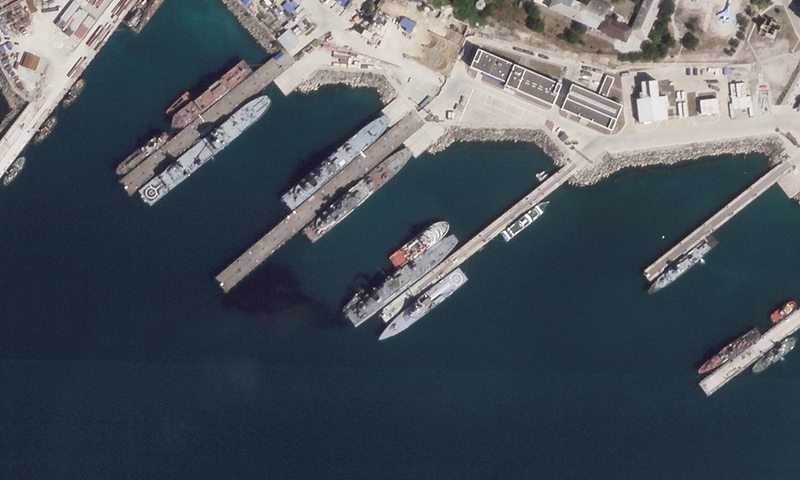
The European Union has proposed establishing a dedicated centre to improve security in the Black Sea by collecting information from multiple countries and enhancing regional monitoring.
The proposal comes amid growing concerns among European officials over the ongoing threat from Russia and increasing risks to undersea infrastructure.
A document cited by Reuters states that the hub would be created “in the near future and with a sense of urgency due to the Russian aggression war.”
The centre would rely on contributions from Black Sea countries and EU member states to “enhance maritime awareness and information-sharing on the Black Sea,” including real-time seabed monitoring from space and early warning capabilities.
In the European Commission’s proposal, quoted by Reuters, the EU’s Chief of Foreign Policy, Kaja Kallas, highlights that the hub will monitor submarine cables, offshore installations, and gas and wind power operations. The hub is also expected to deploy surveillance drones, remotely piloted vessels, and underwater sensors to strengthen its surveillance.
Reuters quotes Kallas as saying the hub would be capable of monitoring the maritime aspects of any future agreement between Russia and Ukraine.
In parallel developments, the European Union recently launched its most extensive sanctions package to date against Russia’s so-called “Dark Fleet”, adding 189 tankers to its blacklist and bringing the total to 342 vessels.
The move marks a significant step in tightening enforcement around oil price cap breaches and sanctions evasion.