
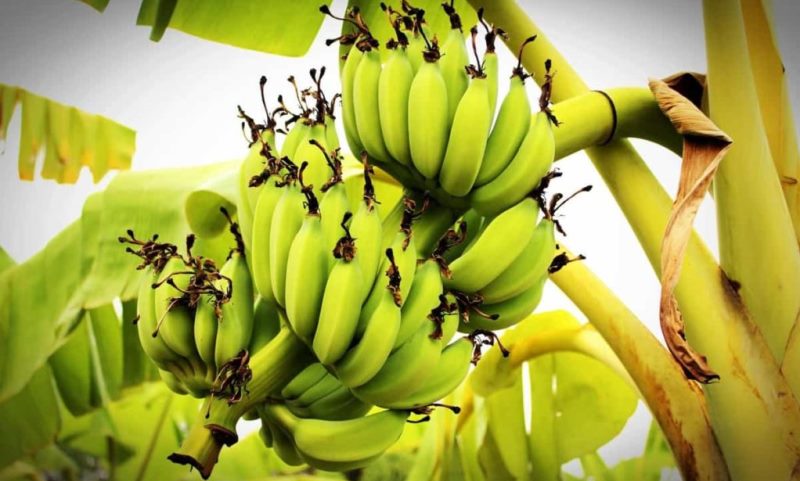
India’s banana exports have grown remarkably—from USD 25 million in 2010 to USD 250.6 million in 2023, according to APEDA. Despite this tenfold growth, India still lags behind in the global banana trade, accounting for only 1.2% of total global exports, despite being the largest producer.
This underperformance is rooted in fragmented farms, lack of cold chain infrastructure, and heavy reliance on air freight. Most competing countries, such as Ecuador and the Philippines, export via cost-effective sea routes, giving them a distinct price and volume advantage.
The ICRIER-APEDA report suggests developing three major banana export hubs in Jalgaon, Solapur (Maharashtra), and Anantapur (Andhra Pradesh) with end-to-end facilities such as mechanized packhouses and reefer linkages. The crop calendar of these regions can enable year-round banana export from India.
It also emphasizes promoting sea protocols. A pilot shipment from CISH Lucknow to the Netherlands showed promising results, indicating the potential for broader adoption.
To further improve global competitiveness, the report urges FTA negotiations with the EU and US, where Indian bananas face tariffs up to 26%, compared to just 10% for Latin American countries. There is also a need to promote sustainability certifications like GlobalGAP and Rainforest Alliance to meet Western consumer preferences.
If adopted swiftly, these measures could transform India’s banana sector into a formidable export engine, tapping markets in the EU, Russia, and ASEAN countries.