
“The upcoming grape export season from India is shaping up to be a challenging one, says Chaitanya Rajwade, CEO-MFPL & Business HeadGrapes Export at Mahindra Agri Solutions Limited. “Unseasonal and prolonged rains from May through early November have already impacted crop productivity negatively by 60-70%.”
Rajwade summarizes the details on the season that went by: Last season, India exported around 10,000 containers of grapes globally. Europe remained the largest market, consuming about 7,000 containers, followed by the UK and Russia at 1,000 containers each. Southeast Asia, China, and Canada also imported smaller but significant volumes.”
The new season is expected to start by late January and conclude by mid-April, and will be shorter than usual by around two to three weeks, he explains. “The limited availability of good-quality fruit will keep prices firm both domestically and in export markets.”
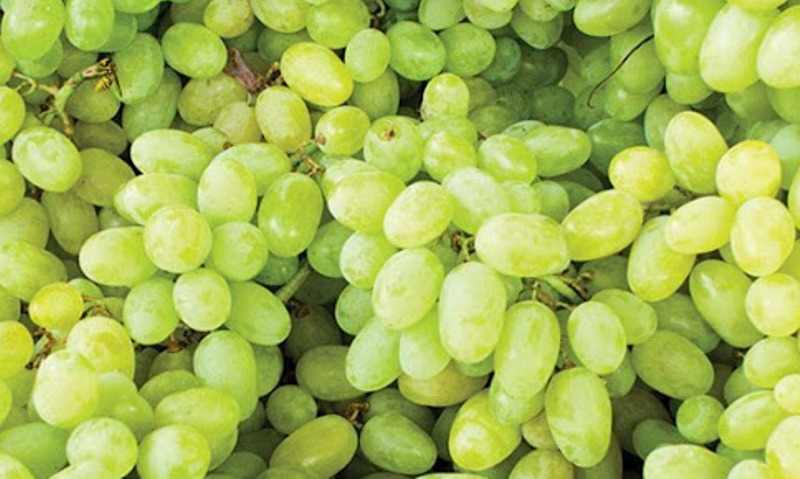
Rajwade highlights that varietal trends remain consistent with market demand.” White Seedless Thompson continues to dominate exports, making up 90% of volumes, followed by Red Crimson and Flame, and Black Sharad seedless varieties. Southeast Asia and China import mostly Sonoka and Jumbo grapes. India is trialling newer varieties, a few of which will be commercially available in the new season.”
Despite the challenges ahead, the focus is on quality and varietal diversification. “These two factors together are expected to help Indian grapes maintain a presence and competitiveness in international markets in the upcoming season. The market will closely watch how pricing and availability are impacted by limited supply and high demand. Indian exporters will increasingly look to collaborate with buyers willing to offer reasonable returns to cover the increased fruit prices,” Rajwade concludes.