
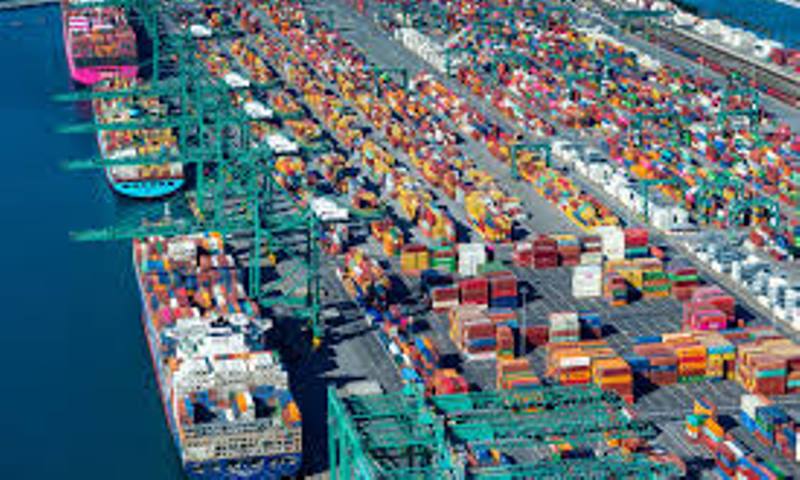
Egypt and Djibouti have signed an agreement to cooperate on the development of a new container terminal, marking a strategic step to strengthen trade connectivity and port infrastructure in the region. The agreement was formalized during high-level talks between officials from both countries.
Under the pact, Egypt will provide technical expertise, investment support, and operational guidance for the construction and management of the terminal, which is expected to enhance Djibouti’s capacity to handle containerized cargo efficiently. The facility is also aimed at supporting growing trade volumes between Africa, the Middle East, and Asia.
Officials highlighted that the cooperation aligns with regional integration goals and reflects Egypt’s broader strategy to expand its maritime partnerships and influence in the Red Sea and Horn of Africa corridors. The terminal is expected to increase throughput, reduce congestion, and attract new shipping lines, benefiting importers and exporters in both countries.
Djibouti’s Minister of Transport expressed optimism that the project would boost the country’s position as a logistics hub in East Africa, while Egypt’s port authorities underlined the potential for technology transfer and operational best practices to strengthen efficiency and competitiveness.
Construction of the terminal is expected to begin in the coming months, with phased operations planned to commence within the next two years. Both governments have also agreed to explore further collaborations on training, port management, and digital infrastructure to ensure the terminal operates at world-class standards.
This agreement underscores the growing trend of regional cooperation in port development , as countries seek to leverage strategic locations to capture expanding trade flows and enhance maritime connectivity.