
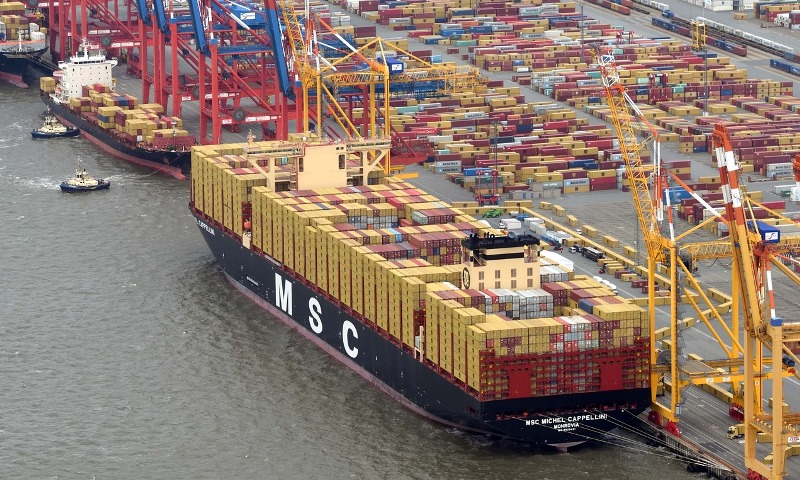
Global container shipping giant MSC Mediterranean Shipping Company has announced the introduction of an emergency bunker surcharge effective March 16, citing rising fuel costs and operational pressures across key trade routes.
The additional charge will apply to shipments on selected services within MSC’s global network. The carrier said the measure is intended to offset the sharp increase in bunker fuel prices and other related operational expenses affecting maritime transport.
Industry sources indicate that the emergency surcharge may vary depending on the trade lane, cargo type and origin–destination pair. Shipping lines typically implement such temporary charges when fuel price volatility significantly impacts operating costs.
Fuel expenses represent one of the largest cost components for container shipping operations, and fluctuations in global energy markets can quickly influence freight pricing structures. Carriers often adjust bunker surcharges to reflect market changes and maintain service sustainability.
The announcement comes amid continued volatility in global shipping markets, where geopolitical tensions, supply chain disruptions and shifting trade patterns have contributed to fluctuating operating costs for maritime operators.
For exporters, importers and freight forwarders, the new surcharge may translate into higher transportation costs on certain routes. Logistics experts say such measures have become increasingly common during periods of market instability as carriers attempt to manage financial risks.
MSC operates one of the world’s largest container shipping fleets and serves hundreds of ports across major international trade lanes. The company said it will continue to monitor market developments and may revise the surcharge depending on fuel price movements and operational conditions.