
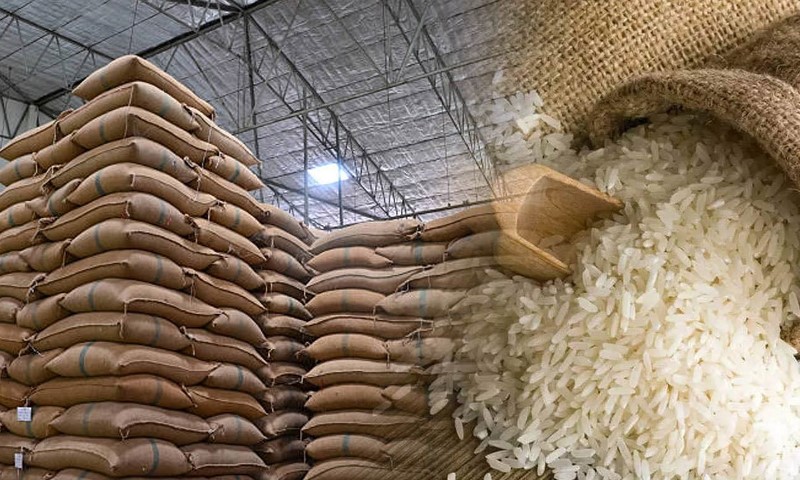
India’s rice exports are facing fresh headwinds as the escalating conflict in West Asia drives up freight and insurance costs, disrupting shipments to key markets in the region. Exporters say the sharp increase in transport expenses and uncertainty around shipping routes are slowing cargo movement and delaying new contracts.
West Asia is a major destination for India’s rice, particularly basmati varieties shipped to countries such as Iran, Iraq, Saudi Arabia and the United Arab Emirates. However, heightened geopolitical tensions have led to higher war-risk insurance premiums and freight rates for vessels transiting the Gulf region, significantly raising logistics costs for exporters.
Industry sources say shipping lines are either charging additional surcharges or limiting calls at certain ports amid security concerns. This has made exporters cautious about booking cargo, while some shipments already contracted are being held back until freight rates stabilise.
Exporters warn that the situation could leave large volumes of rice stranded at ports or warehouses if the conflict persists. Smaller traders are especially vulnerable, as rising freight costs are squeezing margins and making it difficult to honour previously agreed prices.
The disruption comes at a time when global demand for Indian rice remains strong. India is the world’s largest rice exporter, supplying both basmati and non-basmati varieties to markets across Asia, the Middle East and Africa.
Trade bodies are urging the government to closely monitor the situation and consider support measures if logistics costs continue to escalate. They say prolonged disruptions in West Asia could affect not only rice exports but also other agricultural shipments moving through Gulf shipping routes.