
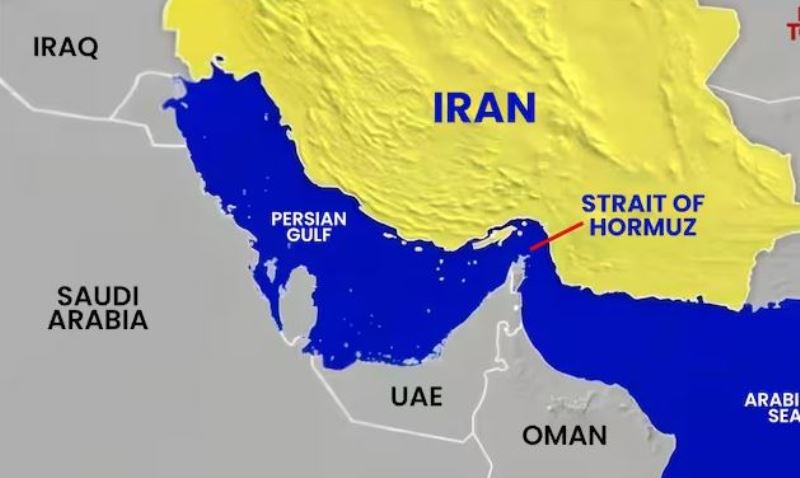
The closure of the Strait of Hormuz has led to significant vessel congestion at major Asian ports, disrupting global shipping flows and creating bottlenecks across key trade routes.
Shipping lines and port operators report a growing queue of vessels awaiting berthing as delays ripple across the supply chain. The Strait of Hormuz, a critical chokepoint for global energy and container traffic, handles a substantial share of the world’s oil and gas shipments, making its disruption particularly impactful.
Ports across Asia—including major hubs in Singapore, Shanghai, and Busan—are witnessing increased vessel bunching as ships are rerouted or delayed due to the closure. The situation has strained terminal operations, with longer waiting times and extended turnaround periods being reported.
Industry sources indicate that tankers and container vessels are among the most affected, as shipping companies adjust schedules and seek alternative routes where possible. However, rerouting options remain limited, leading to cascading delays across multiple trade lanes.
The disruption has also pushed up freight rates and insurance premiums, while raising concerns over timely delivery of critical commodities, including crude oil, liquefied natural gas, and petrochemicals. Import-dependent economies in Asia are particularly vulnerable to supply disruptions stemming from the situation.
Logistics experts warn that prolonged closure of the strait could intensify congestion, impact manufacturing supply chains, and add to inflationary pressures by increasing transportation costs.
As geopolitical tensions continue to influence maritime operations, shipping stakeholders are closely monitoring developments while working to mitigate delays and maintain service reliability in an increasingly uncertain environment.