
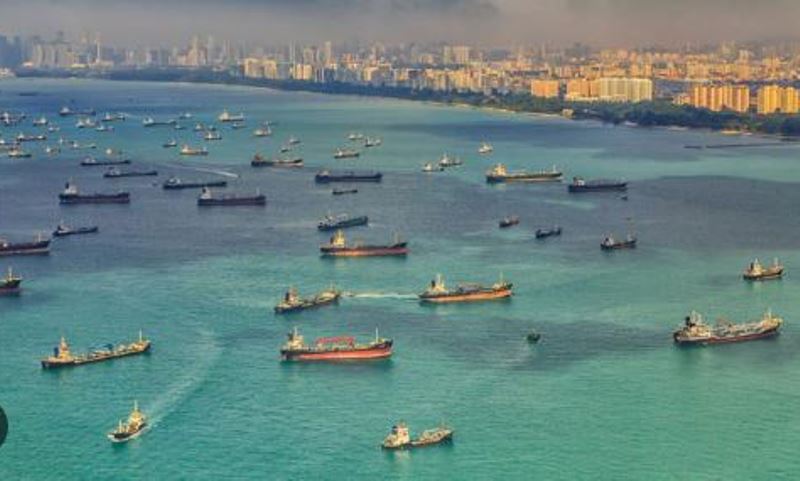
Anchorage congestion at major Asian ports has intensified as the ongoing conflict in the region enters its fifth week, disrupting shipping schedules and slowing cargo movement. Analysts say the delays are affecting both container and bulk shipping, putting pressure on global supply chains.
Shipping lines report longer waiting times for vessels at anchor, particularly at key trade hubs, as port operations struggle to cope with heightened safety protocols, rerouted vessels, and limited berth availability. The backlog is also contributing to rising freight rates and logistical uncertainties for exporters and importers.
Industry sources indicate that port authorities and shipping operators are coordinating to prioritize critical cargo, but the conflict’s ongoing nature is limiting operational flexibility. Some vessels have had to divert to alternative ports, further complicating regional shipping flows.
The congestion is expected to continue unless the situation stabilizes, with traders and logistics companies closely monitoring developments. Experts warn that prolonged delays could ripple into global trade, affecting supply of essential commodities and consumer goods, particularly for markets heavily reliant on Asian exports.
Authorities are urging shipping companies to adopt contingency measures, optimize cargo scheduling, and improve communication to mitigate the impact of the deepening disruptions.