
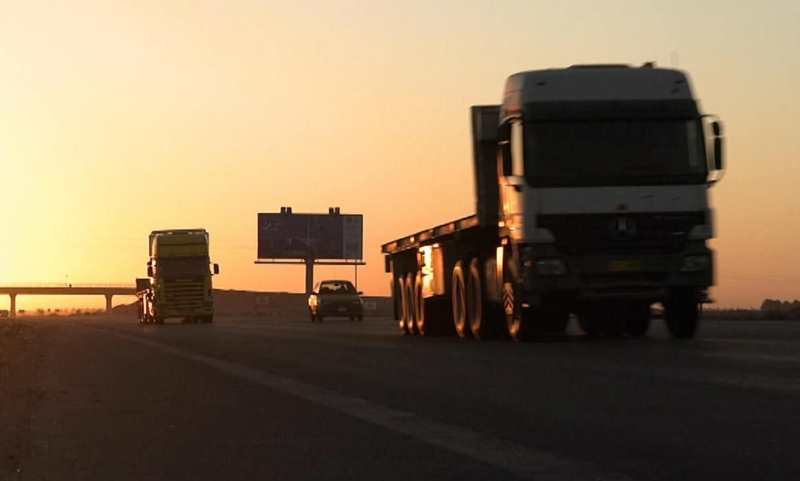
India’s road logistics sector is projected to grow at a steady 8–10% in FY2027, driven by resilient economic activity and rising consumer demand, according to a report by ICRA. However, global trade disruptions and volatile fuel prices remain key risks that could temper the sector’s performance.
The ratings agency noted that demand-led growth—supported by income tax relief, policy rate cuts, and GST rationalisation—is expected to sustain freight movement across major sectors. Rising disposable incomes and consumption trends are likely to boost volumes in e-commerce, FMCG, retail, and industrial goods.
The sector has already demonstrated strong momentum, with logistics companies in ICRA’s sample reporting an 11.2% year-on-year revenue growth during the first nine months of FY2026. This growth has been underpinned by robust domestic demand and favourable policy measures.
Despite the positive outlook, pricing conditions remain competitive. While organised players are expected to command a premium, overall margins are likely to stay range-bound at 8–10% in FY2027. Lower fuel costs have offered some relief, but much of the benefit is being passed on to customers, limiting margin expansion.
Fuel prices continue to be a critical variable. Escalating geopolitical tensions—particularly in West Asia—could disrupt global oil supplies and push up costs, squeezing profitability if freight rate pass-through remains constrained.
On the financial front, the sector is expected to maintain stability. Debt coverage metrics have remained steady through FY2026 and are likely to hold firm despite moderate capital expenditure. Companies are continuing to invest in expanding branch networks, warehousing, and technology, while managing lease liabilities and funding fleet expansion through a balanced mix of equity and debt.
The overall outlook remains “stable,” supported by diversified demand and ongoing government infrastructure spending, which is expected to drive construction activity and freight demand. However, the sector’s trajectory will remain sensitive to inflation trends and external supply chain shocks.