
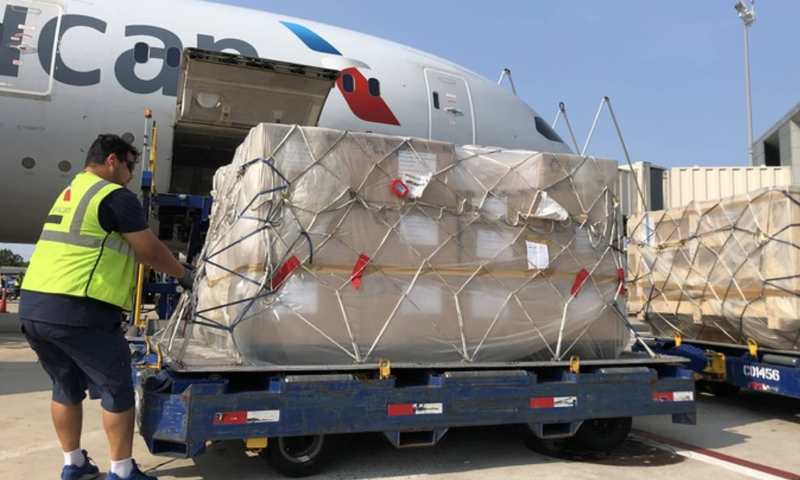
Air cargo rates have surged sharply in the lead-up to a potential ceasefire in the conflict-hit West Asian region, as supply chain disruptions and fuel cost uncertainties continue to unsettle global logistics markets.
Industry sources indicate that freight rates on key routes linking India with the Middle East and Europe have risen significantly over the past few weeks. Limited capacity, rerouting of flights, and heightened risk premiums have contributed to the spike, with airlines adjusting pricing to offset increased operational costs.
A major concern remains the volatility in aviation turbine fuel (ATF) prices, driven by fluctuations in global crude oil markets. Carriers are factoring in potential fuel cost increases, especially amid fears of supply disruptions in key energy corridors.
Logistics providers report that shippers are front-loading cargo ahead of the anticipated ceasefire, aiming to avoid uncertainty and potential delays during any transition period. This surge in demand has further tightened available capacity, pushing rates higher across multiple trade lanes.
While a ceasefire could eventually stabilize routes and ease risk premiums, analysts caution that the outlook remains clouded by fuel price uncertainty and the possibility of lingering geopolitical tensions. Any sustained increase in energy costs could continue to weigh on air freight markets, even if operational conditions improve.
Exporters and freight forwarders are closely monitoring developments, balancing the urgency of shipments with elevated transportation costs. For now, the air cargo market remains in a state of flux, shaped by both geopolitical dynamics and volatile fuel economics.