
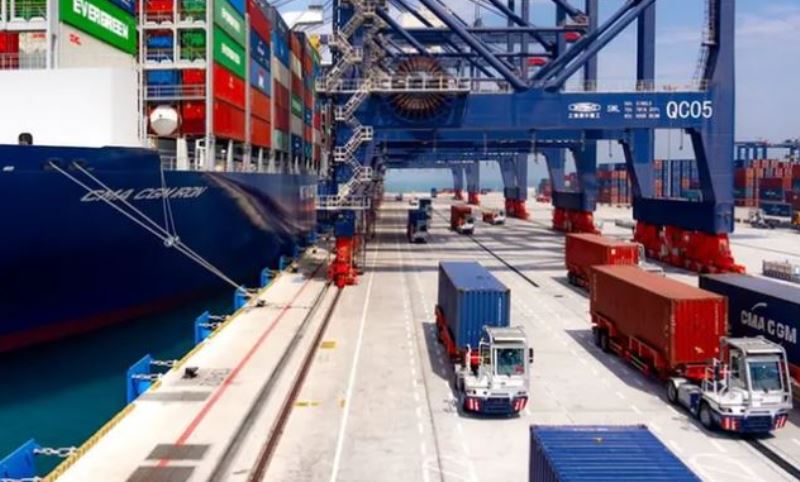
AD Ports Group is leveraging its integrated logistics network to enhance trade resilience and strengthen regional supply chains amid growing geopolitical and market uncertainties. The strategy reflects the company’s focus on creating seamless multimodal connectivity across ports, shipping, logistics and industrial zones.
By combining port operations with maritime services, inland transport, warehousing and trade facilitation platforms, AD Ports aims to improve cargo flow efficiency and reduce disruption risks for customers. The integrated model is designed to provide faster response times, greater flexibility and end-to-end supply chain visibility.
As global trade routes face periodic volatility, regional logistics hubs with diversified infrastructure are becoming increasingly important for maintaining continuity. AD Ports’ network approach positions it to support importers, exporters and shipping lines seeking stable alternatives and efficient market access.
Industry analysts note that integrated logistics ecosystems can lower costs, shorten transit times and strengthen resilience by reducing fragmentation across the supply chain.
The initiative underscores AD Ports Group’s broader ambition to play a central role in regional commerce while supporting long-term trade growth through connected and adaptive logistics solutions.