
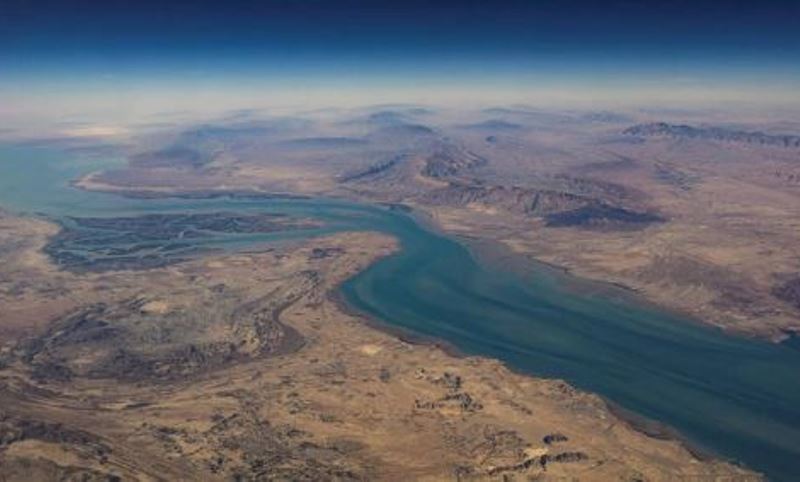
Maritime traffic through the Strait of Hormuz continues to be largely halted, as security concerns and regional tensions keep commercial vessel movement heavily disrupted across one of the world’s most critical shipping chokepoints.
Shipping sources indicate that many operators are delaying transits, anchoring vessels in safer waters, or awaiting naval guidance before entering the corridor. Tankers, container ships, and bulk carriers are among the vessels affected by the slowdown.
The Strait of Hormuz is a vital route for global crude oil, LNG, petrochemicals, and containerized cargo, linking Gulf producers with markets in Asia, Europe, and beyond. Any sustained disruption threatens to tighten energy supplies, increase freight costs, and create downstream supply chain delays.
Insurers have reportedly raised war-risk premiums, while charterers and cargo owners are reassessing schedules and contingency routes where possible.
Industry analysts warn that prolonged restrictions in Hormuz could have significant implications for global trade flows, especially energy-importing nations dependent on uninterrupted Gulf shipments.