
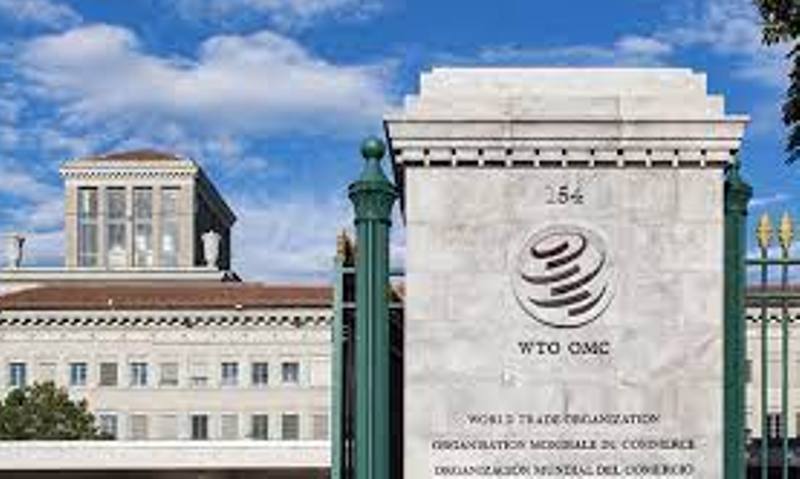
The World Trade Organization (WTO) has accepted a joint request from India and Taipei to defer the ruling in their dispute over import duties on information and communication technology (ICT) products until October 2026. The decision extends the timeline for one of the key trade cases involving tariff treatment of technology imports under multilateral trade rules.
The dispute centers on duties imposed on a range of ICT products, with concerns raised over whether the measures align with commitments under the WTO’s Information Technology Agreement and broader market access obligations. By seeking a postponement, both sides have signaled a preference for additional consultations or more time to evaluate legal and policy considerations before a final ruling is issued.
Trade experts note that the delay may provide space for negotiations or parallel domestic policy adjustments, especially as countries worldwide reassess tariff structures and industrial strategies in the electronics sector. India has been pursuing stronger domestic manufacturing under its production-linked incentive schemes, while balancing international trade commitments.
The postponed ruling is expected to be closely watched by global technology manufacturers and exporters, as its eventual outcome could influence tariff policies, supply chain decisions, and market access conditions in one of the world’s fastest-growing electronics markets.