
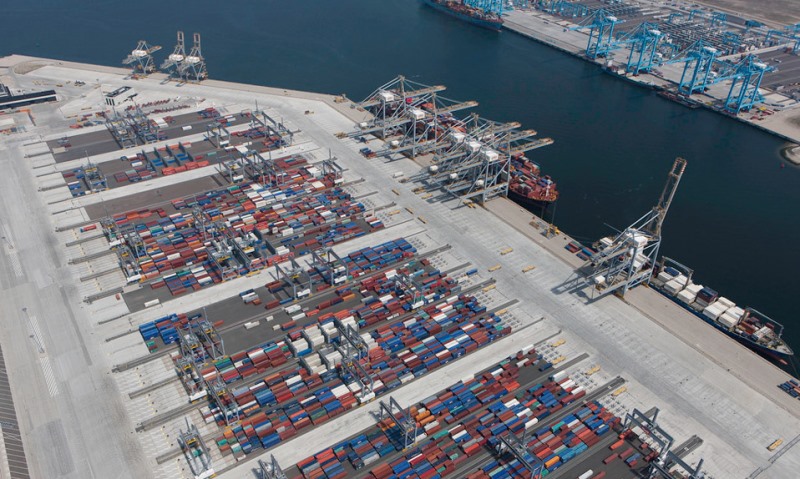
The Port of Rotterdam reported a stable first-quarter performance but warned that rising tensions around the Strait of Hormuz could create fresh uncertainty for global trade flows in the months ahead. Europe’s largest port said current cargo activity remains resilient, though geopolitical risks in the Gulf are being closely monitored.
Rotterdam continues to play a critical role in handling crude oil, refined products, chemicals, containers, and bulk cargo moving into and out of Europe. Any prolonged disruption in Hormuz—one of the world’s most vital maritime chokepoints—could affect energy imports, tanker schedules, freight costs, and broader supply chain reliability.
Port officials indicated that while first-quarter throughput was supported by steady industrial demand and logistics activity, market sentiment has become more cautious as shipping operators assess security risks and rerouting possibilities. Increased insurance premiums and longer voyage times could also weigh on trade efficiency.
Industry observers note that Rotterdam’s performance often reflects wider European trade trends. A sustained Hormuz crisis could influence cargo volumes, energy pricing, and terminal planning across the continent, making the coming quarters critical for maritime markets and port operations.