
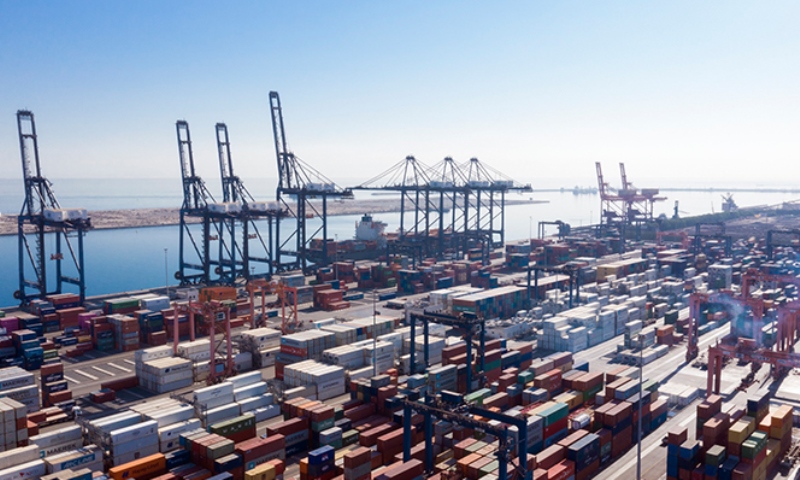
India is increasingly rerouting agricultural exports through Oman as escalating conflict in West Asia disrupts traditional shipping lanes and raises security concerns around the Strait of Hormuz. Exporters are now relying on Omani ports such as Sohar and Salalah, along with overland GCC transport networks, to maintain the flow of essential goods including rice, meat, dairy products, fruits, and vegetables.
The shift comes as India’s exports to the region fell more than 28% year-on-year in April 2026 due to instability and rising logistics risks. Oman’s strategic location outside the Strait of Hormuz has positioned the country as a key alternative transit hub for Indian cargo destined for Gulf markets.
However, exporters are facing mounting financial pressure. Freight rates for rice shipments to the Gulf have reportedly surged nearly tenfold since March 2026, while emergency conflict surcharges and war-risk insurance premiums have sharply increased overall shipping expenses. Industry estimates suggest freight costs to the Middle East and Africa have risen by as much as 250%, severely impacting profitability for Indian agricultural exporters.
The crisis underscores the vulnerability of global supply chains to geopolitical tensions in West Asia. Analysts warn that a prolonged disruption could widen India’s current account deficit, increase inflationary pressures, and affect economic growth. The agricultural sector remains particularly exposed because of its heavy dependence on Gulf markets, which accounted for a significant share of India’s $11.8 billion agricultural exports in FY26.
Despite the challenges, Oman’s growing role in regional trade logistics could strengthen long-term India-Oman economic ties. The upcoming India-Oman Comprehensive Economic Partnership Agreement (CEPA), scheduled to take effect on June 1, 2026, is expected to provide 98% duty-free access for Indian exports to Oman, potentially boosting bilateral trade volumes in the future.
Still, risks remain elevated. Security threats have expanded beyond the Strait of Hormuz, with indirect attacks reportedly targeting Omani infrastructure, including drone strikes near Salalah earlier this year. Rising transit times, insurance premiums, and freight costs continue to erode exporters’ margins, leaving the outlook uncertain for Indian agricultural trade with West Asia.