
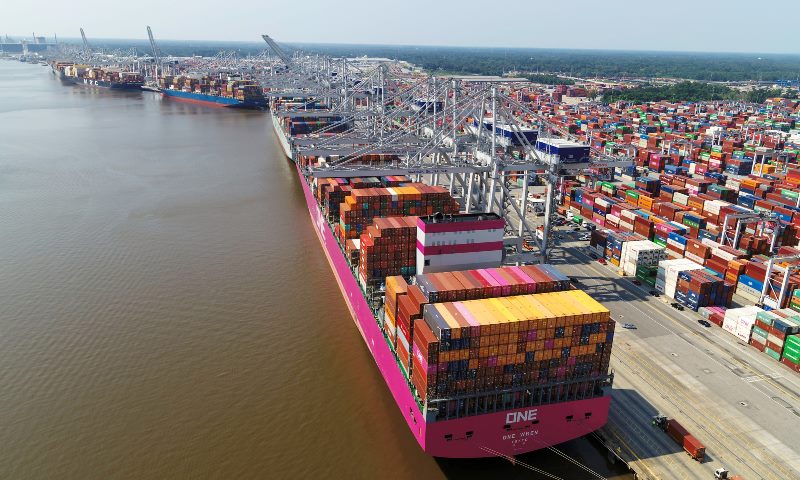
Container imports into the United States from Japan edged down 0.2% year-on-year in June, reflecting a marginal softening in bilateral trade as exporters navigated weaker demand in select manufacturing sectors and continued adjustments in global supply chains. Despite the slight decline, trade volumes remained broadly stable, underscoring the resilience of the long-standing commercial relationship between the two economies.
Japan continued to ship a diverse range of products to the US, including automobiles and auto components, industrial machinery, electronics, precision equipment, and consumer goods. While demand for some manufactured products moderated, steady shipments of high-value industrial and technology-related cargo helped offset sharper declines in other categories.
Industry analysts attributed the modest decline to a combination of cautious inventory management by US importers, evolving consumer spending patterns, and ongoing economic uncertainty. However, the limited decrease suggests that trade flows between Japan and the US remain relatively robust compared with more pronounced fluctuations seen on other trans-Pacific routes.
Shipping lines have maintained regular service frequencies on the Japan–US trade lane, supported by stable demand for containerised cargo and long-term supply contracts. Improved schedule reliability and easing port congestion have also contributed to smoother cargo movement across the Pacific.
Looking ahead, logistics providers expect container volumes to receive a seasonal boost from holiday-related shipments in the coming months. However, geopolitical developments, freight market conditions, and global economic trends will continue to influence cargo demand and trade patterns on one of the world’s most important container shipping corridors.